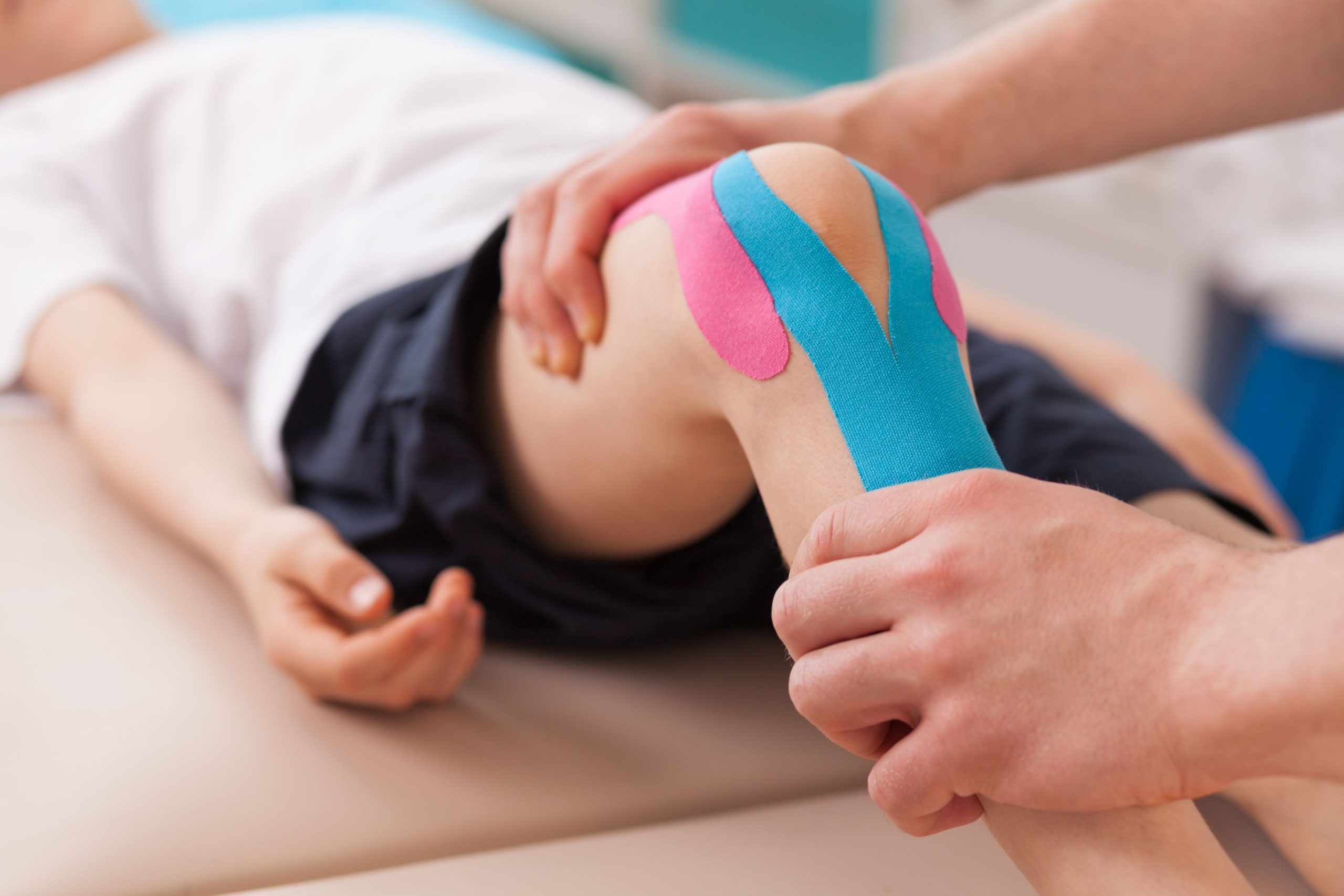
Knee pain on stairs does not always begin inside the joint. In some cases, irritated tendons, tight muscles, or other soft tissues around the kneecap may struggle with the extra load created when the knee bends and supports body weight.
Why Do Stairs Place More Demand on the Knee?
Walking on level ground usually requires less knee bending than climbing or descending stairs. On stairs, the quadriceps work harder to control the body while the kneecap moves within its groove. Activities involving greater knee flexion generally increase force across the patellofemoral joint.
This helps explain why pain around or behind the kneecap may become noticeable on stairs, during squats, while running, or after sitting with the knee bent. These symptoms are common with patellofemoral pain, but they do not identify one cause by themselves.
Which Soft Tissues May Contribute to Stair Pain?
The patellar tendon connects the kneecap to the shinbone, while the quadriceps tendon connects the thigh muscles to the top of the kneecap. Muscles and connective tissues around the knee also help guide movement and manage force.
When these tissues become overloaded or sensitive, a person may notice tenderness above or below the kneecap, stiffness after rest, discomfort during repeated bending, or soreness that builds with activity. Reduced strength or coordination in the hips and thighs may also change how the knee handles stairs.
Not every painful knee is a soft-tissue problem. Arthritis, a meniscus injury, ligament damage, bursitis, and other conditions can cause similar symptoms. An assessment is needed before deciding which structure is responsible.
How Can Tendon Pain Differ From Joint Pain?
Tendon-related pain is often connected to repeated loading. It may be localized to one area and become more noticeable during stairs, squats, running, or jumping. Pressing on the involved tendon may reproduce discomfort, although tenderness alone cannot confirm a diagnosis.
Some tendon problems feel stiff at the beginning of activity, improve as the body warms up, and become sore again afterward. Joint-related pain can also worsen with loading, so symptom patterns should guide an examination rather than replace one.
What Is Shockwave Therapy?
Shockwave therapy is a non-invasive approach that applies acoustic or pressure waves to a targeted musculoskeletal area. It is often called extracorporeal shockwave therapy, or ESWT therapy, because the energy is produced outside the body and delivered through the skin.
Radial shockwave therapy distributes pressure waves outward from the applicator, with the strongest energy nearer the skin. Focused systems direct energy toward a more defined target at depth. These technologies are not identical and may be selected for different treatment purposes.
People comparing options in Davison, MI, can review Peak Performance Family Chiropractic’s explanation of Shockwave Therapy, where they describe how the service may be used for persistent musculoskeletal discomfort and mobility restrictions.
Can Shockwave Therapy Help With Knee Pain?
Shockwave therapy for pain relief may be considered when an evaluation suggests that a chronic tendon or surrounding soft-tissue problem contributes to symptoms. It is not a general treatment for every painful knee, and the likely source should be identified first.
Research on ESWT for patellar tendinopathy remains mixed. A 2023 systematic review found little benefit over placebo in some short-term comparisons, although shockwave treatment performed better than certain conservative treatments. Another analysis found no clear short-term advantage over sham ESWT when both groups also completed eccentric exercise.
These findings show why patient selection, diagnosis, treatment settings, and an accompanying rehabilitation plan matter. Shockwave treatment should not be presented as a guaranteed solution.
What Should a Shockwave Chiropractor Evaluate?
A shockwave chiropractor should begin with the location and pattern of pain, how long it has been present, and which movements reproduce it. The assessment may include knee mobility, localized tenderness, strength, hip control, gait, and the ability to squat or step without compensation.
This process can help distinguish a possible tendon problem from patellofemoral pain, joint irritation, or an injury that may require imaging or referral. It also helps determine whether radial shockwave therapy is suitable and which tissue should be targeted.
The presence of knee pain during stairs alone is not enough to determine whether shockwave treatment is appropriate. Two people with similar symptoms may have different contributing tissues and require different care plans.
Why Is Exercise Often Included?
Passive treatment alone may not address the factors that keep knee pain returning. Progressive strengthening can help the quadriceps, hips, and surrounding tissues manage the forces created by stairs and other daily activities. Research supports lower-limb strengthening as an important part of managing patellofemoral pain.
Load management matters as well. Returning too quickly to repeated stairs, deep squats, running, or high-impact exercise may continue to irritate an already sensitive area. A gradual plan can balance recovery with rebuilding strength and tolerance.
When ESWT therapy is used, it is generally more appropriate as one part of a broader plan than as a stand-alone answer. That plan may include strengthening, mobility work, temporary activity adjustments, and periodic reassessment.
When Should Knee Pain Be Assessed?
Knee pain deserves evaluation when it persists, repeatedly interferes with stairs or normal activity, or continues returning after rest. Symptoms that worsen over time or begin after a significant injury also require appropriate assessment.
For people in Davison, MI, the most useful first step is identifying which tissue is involved. If stair pain is connected to an overloaded tendon or another soft-tissue structure, shockwave treatment may be one option to discuss. If the source lies inside the joint or involves another condition, a different approach may be more appropriate.