Commercial roof damage often begins when water cannot move efficiently toward drains, scuppers, gutters, or downspouts. In Surprise, AZ, blocked drainage paths and standing water can place unnecessary stress on roof membranes, seams, flashing, insulation, and structural components.
Although the area receives limited rainfall compared with many other regions, Arizona storms can release a large amount of water in a short period. A commercial roof must manage that water quickly and direct it away from vulnerable areas. When drainage is restricted, even a brief storm may expose weaknesses that were not noticeable during dry weather.
Why Is Commercial Roof Drainage So Important?
Many commercial buildings have flat or low-slope roof systems. These surfaces are designed with enough slope to guide water toward designated drainage points, but they do not shed water as quickly as steep residential systems.
Drains, scuppers, gutters, and downspouts work together to control water movement. If one part of the system becomes blocked or damaged, water may collect around seams, penetrations, equipment curbs, parapet walls, or low areas.
Standing water adds weight and increases the amount of time moisture remains in contact with the roof surface. Over time, that exposure may weaken materials and increase the likelihood of leaks.
What Causes Drainage Problems on Commercial Buildings?
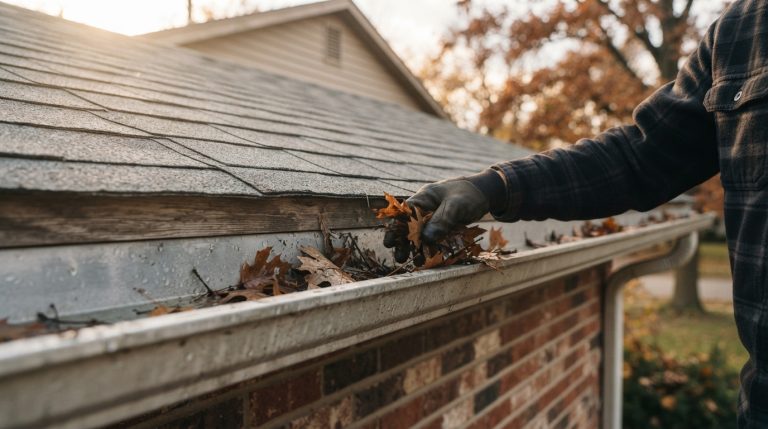
Drainage problems can develop for several reasons. Leaves, dirt, roofing granules, bird nests, packaging materials, and windblown debris may block drains or scuppers. Dust and sediment can also build up gradually, especially during extended dry periods.
Other common causes include:
-
Damaged or disconnected downspouts
-
Crushed or restricted drainage openings
-
Improper slope near drains
-
Sagging areas in the roof deck
-
Deteriorated sealant around drainage components
-
Previous repairs that altered water flow
-
HVAC equipment or stored materials blocking drainage paths
Some drainage concerns are easy to see, while others become apparent only after rainfall. Water stains, sediment lines, or patches of dirt may indicate where ponding has occurred.
How Does Standing Water Lead to Roof Damage?
Water that remains on a commercial roof can affect multiple parts of the system. Membranes may experience accelerated wear, especially around seams and repaired areas. Flashing may separate, sealants may deteriorate, and small openings may become larger as water repeatedly enters them.
If moisture moves beneath the surface, it may soak insulation and reduce its effectiveness. Wet insulation can also spread moisture beyond the original entry point, making the visible interior leak appear far from the actual source.
Repeated ponding may contribute to deck movement or surface depressions. Once a low area develops, it can hold even more water during future storms and create a cycle of continuing damage.
What Warning Signs Suggest a Drainage-Related Problem?
Commercial property owners and facility managers should watch for signs both inside and outside the building. Interior indicators may include ceiling stains, damp insulation, musty odors, peeling paint, or water near exterior walls.
Exterior warning signs may include:
-
Water remaining after surrounding areas have dried
-
Debris gathered around drains or scuppers
-
Cracked sealant near drainage openings
-
Rust or staining around metal components
-
Sagging gutters
-
Water flowing over parapet walls
-
Repeated leaks after heavy rain
It is not always safe to inspect a commercial roof without proper equipment and fall protection. Observations from the ground and interior can help identify concerns that should be evaluated by qualified roof contractors.
Can Maintenance Help Prevent Drainage-Related Repairs?
Routine maintenance can reduce the likelihood that a small blockage becomes a larger moisture problem. Drains, scuppers, gutters, and downspouts should be checked periodically and after major wind or storm events.
Maintenance may include removing debris, resealing vulnerable joints, securing loose components, correcting minor surface damage, and confirming that water can reach each drainage point. Nearby trees, rooftop equipment, and ongoing construction may require more frequent checks.
Documentation is also valuable. Photos and inspection notes make it easier to compare conditions over time and determine whether low areas, stains, or repairs are changing.
When Are Commercial Roof Repairs Necessary?
Repairs may be needed when drainage issues have damaged membranes, flashing, seams, insulation, or deck materials. Correcting only the visible leak may not prevent the problem from returning if the underlying drainage concern remains.
A complete evaluation should identify where water is entering, why it is collecting, and which components have been affected. Depending on the condition, commercial roof repairs may involve restoring membrane sections, resealing penetrations, repairing flashing, improving drainage openings, or replacing moisture-damaged materials.
Commercial roofing services should address both the damage and its cause. This approach helps protect the repaired area during future storms and reduces the risk of recurring leaks.
When Should a Commercial Roof Be Evaluated?
An evaluation is appropriate when water remains on the surface, leaks return after storms, drainage components appear damaged, or interior stains begin to spread. Property owners in Surprise, AZ, should also consider inspections before monsoon season and after severe wind or rainfall.
Addressing drainage concerns early can limit moisture exposure and help preserve the surrounding roof system. Arrange a professional evaluation when warning signs appear so the source can be identified before damage reaches additional areas of the building.