Bottom line:
- A collision repair shop inspects structural and cosmetic damage, documents it for insurance, and outlines a repair plan with a timeline before work begins.
- Expect an intake inspection, a written estimate, and status updates through repainting, reassembly, and final quality checks.
- Replaced safety components such as air bags should meet manufacturer standards, since substandard parts pose documented risks.
Vehicle owners who bring a car in after an accident can generally expect a structured process: inspection, documentation, an estimate, repair work, and a final quality check before the vehicle is returned. Knowing these steps in advance helps set realistic expectations for cost, timing, and communication with the shop.
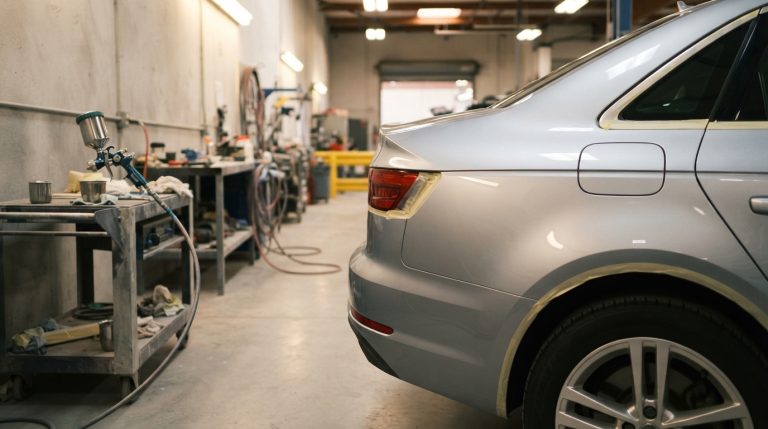
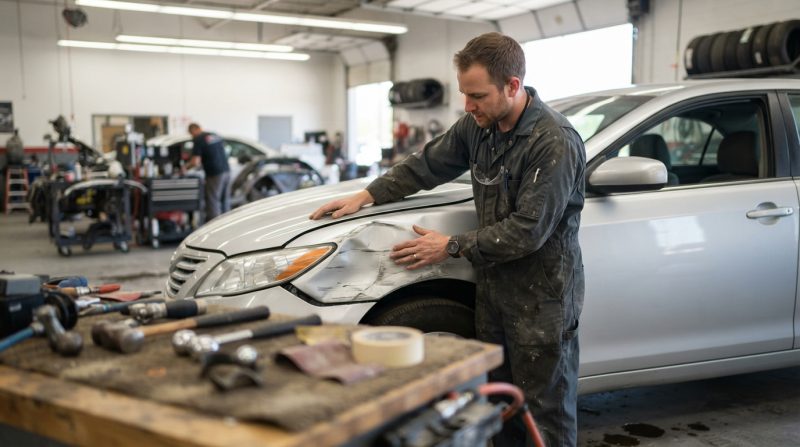
The first stop after a crash is typically a Collision Repair Shop, where a technician examines the vehicle for both visible and hidden damage before any work begins. This initial assessment determines whether the repair involves cosmetic fixes, structural correction, or a combination of both, and it shapes everything that follows in the estimate and repair plan.
The Initial Inspection and Estimate Process
A thorough intake inspection looks past the obvious dents to check alignment, frame integrity, and mechanical systems affected by the impact. Shops that perform collision repair commonly address several categories of damage:
- Dent repair and panel replacement
- Frame straightening
- Paint matching and refinishing
- Bumper and fender repair
- Windshield and auto glass replacement
Once the inspection is complete, the shop typically provides a written estimate outlining parts, labor, and an expected timeline. Estimates can change once panels are disassembled and hidden damage becomes visible, which is a normal part of the collision repair process rather than a sign of a problem.
Repair Work and Safety Component Replacement
After the estimate is approved, technicians move into structural repair, panel replacement, and refinishing stages. Some repairs involve components tied directly to occupant safety, not just appearance.
Air bags deployed during a crash require special attention during reassembly. According to NHTSA guidance on air bags, deployed air bags should be replaced only at an authorized repair facility before the vehicle is driven again, since substandard replacement inflators have been linked to serious injury. This underscores why sourcing genuine replacement parts matters as much as cosmetic quality during reassembly.
What Happens Before the Car Is Returned
Before a vehicle leaves the shop, a final inspection typically checks fit, finish, and function against pre-accident condition.
| Stage | What It Covers | Typical Focus |
|---|---|---|
| Intake inspection | Visible and hidden damage | Frame, panels, mechanical systems |
| Written estimate | Parts, labor, timeline | Cost transparency |
| Repair and refinishing | Structural work, paint, reassembly | Matching OEM specifications |
| Final quality check | Alignment, safety systems, appearance | Readiness for the road |
Shops serving the Phoenix, AZ area generally coordinate with insurance adjusters throughout this process, since most collision repairs involve a claim rather than an out-of-pocket payment. Arizona’s dry climate and higher UV exposure can also influence paint curing and refinishing timelines compared to cooler, more humid regions.
Business Info
Based in USA, Dynasty Collision serves vehicle owners across Phoenix, AZ, offering collision-related repair services documented on its business profile.
Frequently Asked Questions
How long does a typical collision repair take? Timelines vary based on parts availability, the extent of structural damage, and whether hidden damage is found once panels are removed. A written estimate usually includes a projected completion window that may be adjusted as repairs progress.
Will insurance cover the full cost of repairs? Coverage depends on the policy and the circumstances of the accident. Many shops work directly with insurance adjusters to document damage and provide estimates that support the claims process.
Are replacement parts always new? Not always. Shops may use original equipment manufacturer parts, aftermarket parts, or recycled parts depending on the vehicle, the damage, and insurance terms, and this should be discussed before repairs begin.
What should I ask before approving a repair estimate? Useful questions include what parts will be used, whether a warranty applies to the work, and how hidden damage discovered mid-repair will be handled and communicated.
Next Steps
Current service area information for Dynasty Collision Repair is available for review before scheduling an inspection.
Understanding the collision repair timeline, from initial inspection to final quality check, helps vehicle owners plan around insurance claims and part availability. Asking specific questions about parts sourcing and warranty coverage before work begins remains one of the most practical steps a vehicle owner can take.