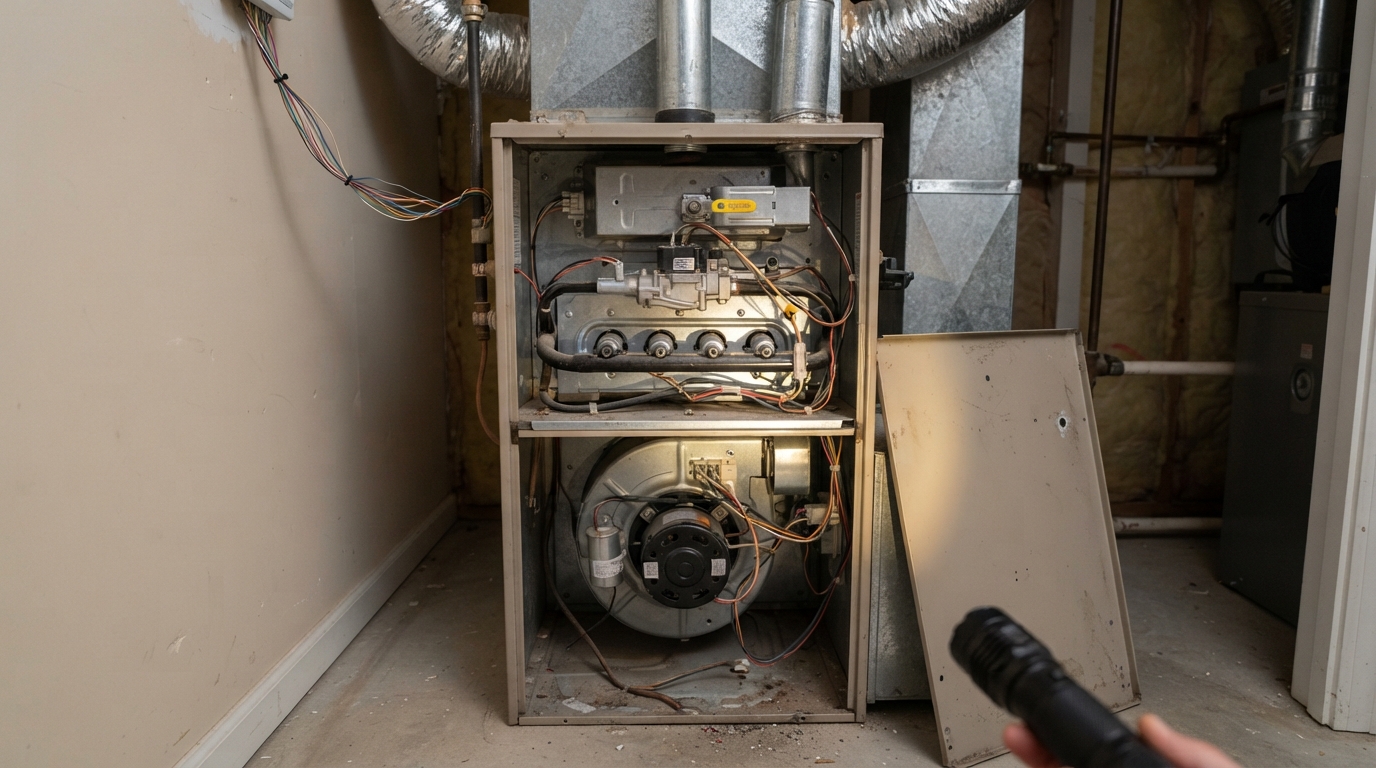
Quick summary:
• A professional heating service appointment typically includes a system inspection, safety checks, filter and component cleaning, and a performance assessment before winter demand increases.
• Technicians generally test thermostat response, airflow, and ignition components, then explain any repair or replacement options found.
• Scheduling heating service before the cold season in Mooresville, NC helps homeowners avoid mid-winter breakdowns.
Homeowners preparing for colder weather often ask what actually happens during a scheduled visit from a heating technician. A standard heating service Mooresville NC appointment covers a system-wide inspection, cleaning of key components, and a functional test to confirm the furnace or heat pump starts, runs, and shuts off correctly.
Understanding each step in advance helps residents in Mooresville, NC know what questions to ask and what documentation to request after the visit.
Before the Technician Arrives
A short amount of preparation makes the appointment more efficient and gives the technician clear access to the equipment.
• Clear at least two feet of space around the furnace, air handler, or outdoor heat pump unit.
• Replace or note the age of the current air filter so the technician can assess airflow issues.
• List any symptoms noticed recently, such as uneven heating, unusual noises, or higher utility bills.
These small steps reduce the time needed for diagnostics and allow more of the visit to focus on actual maintenance tasks.
What Happens During the Visit
Most heating service appointments follow a consistent sequence, regardless of system type (furnace, heat pump, or ductless unit).
1. Initial system test. The technician raises the thermostat to confirm the system fires, completes a full heating cycle, and shuts off properly.
2. Component inspection. This includes checking electrical connections, motor voltage, burner assemblies, and condensate drains for buildup or damage.
3. Filter and airflow check. A clogged filter is one of the most common causes of reduced heating performance and higher energy use, according to ENERGY STAR’s maintenance guidance .
4. Safety verification. For gas furnaces, this includes flame color inspection and carbon monoxide detector checks, since a yellow or flickering flame can indicate incomplete combustion.
5. Thermostat calibration. The technician confirms accurate temperature readings and proper scheduling if a programmable thermostat is installed.
Furnace Tune-Up vs Heating Repair Visit
Not every heating appointment is the same. Knowing the difference helps set expectations for cost, time, and scope.
| Visit Type | Purpose | Typical Trigger |
| Seasonal tune-up | Preventive inspection and cleaning | Scheduled before winter |
| Diagnostic repair | Identify and fix a specific issue | No heat, strange noise, or error code |
| Emergency service | Urgent restoration of heat | System failure during cold weather |
| Post-repair follow-up | Confirm fix is holding | After a part replacement |
A seasonal tune-up is preventive and scheduled in advance, while a diagnostic or emergency visit responds to an existing problem. Industry sources note that most HVAC professionals recommend scheduling Temperature Design, ideally before heavy heating use begins in the fall.
After the Appointment
Once the inspection and any adjustments are complete, the technician should provide a summary of findings.
• A written report noting the system’s condition, any parts replaced, and remaining concerns.
• Recommendations for filter replacement intervals based on household conditions.
• An estimate for any repairs that were identified but not completed during the visit.
Homeowners in Mooresville, NC dealing with older housing stock or systems nearing 15 years of age should ask specifically about efficiency ratings, since aging equipment tends to lose performance gradually rather than failing all at once.
Frequently Asked Questions
How long does a typical heating service appointment take? Most seasonal tune-ups take between 60 and 90 minutes, though diagnostic visits for a specific problem may take longer depending on the issue found.
How often should a furnace or heat pump be serviced? Annual service before the heating season is the general industry recommendation, since dirt and lack of maintenance are common causes of system failure.
What should be checked if the heating system was skipped for several years? A full inspection of electrical connections, burner components, and ductwork is reasonable, along with a review of filter history and any past repair records.
Is a tune-up different from a repair visit? Yes. A tune-up is preventive and scheduled ahead of time, while a repair visit addresses a specific symptom such as no heat, inconsistent temperatures, or unusual sounds.
Scheduling and Local Service Notes
Seasonal scheduling details and appointment windows are available through Details on heating services, which covers heating service timing for residents preparing for winter.


