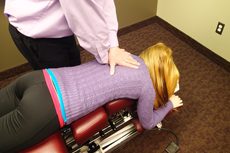
Lower back pain is one of the most common musculoskeletal concerns affecting adults today. Whether caused by prolonged sitting, repetitive lifting, physical strain, or poor posture, lower back discomfort can gradually interfere with daily activities and overall mobility. For many people, the pain may begin as mild stiffness before progressing into recurring tension that affects work, exercise, sleep, and movement quality.
As more individuals search online for a lower back pain chiropractor or spinal adjustment near me, chiropractic care continues to gain attention as a conservative and non-invasive approach for supporting spinal health and mobility.
Understanding the common causes of lower back pain and knowing when to seek professional guidance may help individuals manage discomfort before it becomes more limiting over time.
Why Lower Back Pain Is So Common
The lower back supports much of the body’s weight and movement throughout the day. The lumbar spine plays a critical role in bending, lifting, twisting, standing, and walking, which means it experiences constant physical demand.
Because of this, even small movement imbalances or repetitive strain can place ongoing stress on the muscles, joints, and connective tissues surrounding the spine.
Some of the most common contributors to lower back discomfort include:
-
Poor posture
-
Prolonged sitting
-
Repetitive lifting
-
Sedentary lifestyles
-
Muscle imbalances
-
Weak core muscles
-
Sports-related strain
-
Physically demanding work
-
Previous injuries
In many cases, lower back pain develops gradually rather than appearing suddenly. Individuals may first notice stiffness after sitting for long periods or discomfort when standing up, bending, or moving throughout the day.
Over time, untreated tension and movement restrictions may contribute to reduced flexibility and chronic discomfort.
The Impact of Prolonged Sitting
Modern work environments often require individuals to sit for extended hours each day. Desk work, commuting, and screen use have significantly increased sedentary habits, which can affect spinal health over time.
When sitting posture is poor, pressure on the lumbar spine increases. Forward head positioning, slouching, and unsupported sitting may gradually strain the muscles responsible for stabilizing the spine.
Prolonged sitting may contribute to:
-
Tight hip flexors
-
Lower back stiffness
-
Reduced spinal mobility
-
Weak core support
-
Muscle fatigue
-
Increased spinal compression
Many people searching for a spinal adjustment near me are often experiencing discomfort linked to long periods of inactivity combined with poor posture habits.
Movement and posture awareness play an important role in supporting spinal function and reducing recurring tension.
How Muscle Imbalances Affect the Lower Back
Muscle imbalances occur when certain muscles become overactive while others weaken due to inactivity or repetitive movement patterns.
For example, individuals who sit frequently may develop tight hip flexors and hamstrings while the abdominal and glute muscles weaken over time. This imbalance can alter spinal mechanics and place additional stress on the lower back.
Physical activities that involve repetitive bending, twisting, or lifting may also create uneven stress on the spine and surrounding tissues.
When muscles cannot properly support the body’s movement patterns, spinal joints may become restricted, contributing to stiffness and reduced mobility.
Addressing movement quality and joint mobility is often an important part of conservative lower back care strategies.
Understanding Chiropractic Care for Lower Back Pain
A lower back pain chiropractor focuses on evaluating spinal alignment, joint movement, posture, and musculoskeletal balance to identify areas contributing to discomfort.
Chiropractic care commonly involves spinal adjustments designed to improve mobility within restricted joints of the spine.
These controlled movements aim to reduce mechanical stress affecting surrounding tissues while supporting overall movement function.
During an evaluation, chiropractors may assess:
-
Spinal alignment
-
Range of motion
-
Muscle tightness
-
Joint restrictions
-
Postural habits
-
Movement patterns
-
Areas of tension or irritation
Chiropractic care is considered a non-invasive approach because it focuses on conservative techniques rather than surgical intervention.
Many individuals seek chiropractic care after noticing persistent lower back tightness, stiffness during movement, or recurring discomfort that affects everyday activities.
When Lower Back Pain May Require Attention
Not all lower back discomfort requires immediate intervention, but recurring pain should not be ignored. Persistent tension or restricted movement may gradually affect mobility, posture, and overall physical function.
Some signs that may indicate it is time to seek professional evaluation include:
-
Pain lasting several weeks
-
Difficulty bending or twisting
-
Stiffness after sitting
-
Reduced range of motion
-
Discomfort during walking or standing
-
Pain that interrupts sleep
-
Recurring muscle tension
-
Increased discomfort during physical activity
Early attention to mobility limitations may help prevent further strain and support better long-term movement health.
Spinal Adjustments and Mobility Support
Spinal adjustments are commonly used to help restore movement within restricted joints of the spine. By improving joint mobility, chiropractic adjustments may help reduce tension affecting nearby muscles and connective tissues.
Some individuals report improvements in:
-
Flexibility
-
Everyday movement
-
Postural balance
-
Muscle tightness
-
Physical comfort during activities
Improved spinal mobility may also support more efficient movement patterns throughout the body.
Chiropractic care is often combined with additional recommendations such as mobility exercises, stretching routines, posture correction strategies, and ergonomic adjustments.
These supportive strategies may help individuals reduce recurring spinal stress associated with work, exercise, or everyday movement habits.
Individuals interested in conservative mobility-focused care may explore options through a professional chiropractic partner in Billerica, MA that provides chiropractic services focused on spinal movement and non-invasive pain relief approaches.
Supporting Long-Term Back Health
Maintaining lower back health often involves a combination of regular movement, posture awareness, strength support, and mobility care. Daily habits such as stretching, ergonomic workstation setup, and physical activity may help reduce excessive stress on the spine.
Chiropractic care may serve as one component within a broader wellness approach designed to support mobility and improve spinal function over time.
For many adults in Billerica, MA, understanding the underlying causes of lower back discomfort allows them to take a more proactive role in supporting long-term movement health and reducing recurring tension before it interferes with everyday life.