• A full-service animal hospital in Indianapolis can manage your pet’s post-surgical care, follow-up exams, pain management, and wellness monitoring all under one roof.
• Knowing what to expect during recovery — and which warning signs require a vet visit — makes the process safer and less stressful for both pet and owner.
When a pet needs surgery or intensive treatment, the quality of post-operative care matters just as much as the procedure itself. Choosing the right veterinary team in Indianapolis can directly affect how quickly and safely your companion heals.
After surgery, post-operative care is critical for your pet’s comfort, safety, and recuperation. Proper post-op care aids healing, minimizes the risk of requiring additional corrective surgeries, speeds recovery, and is vital to a successful outcome. For Indianapolis pet owners searching for an animal hospital Indianapolis IN, understanding what a capable facility provides during recovery is the first step toward making a confident decision.
What Recovery Support Looks Like at a Full-Service Vet
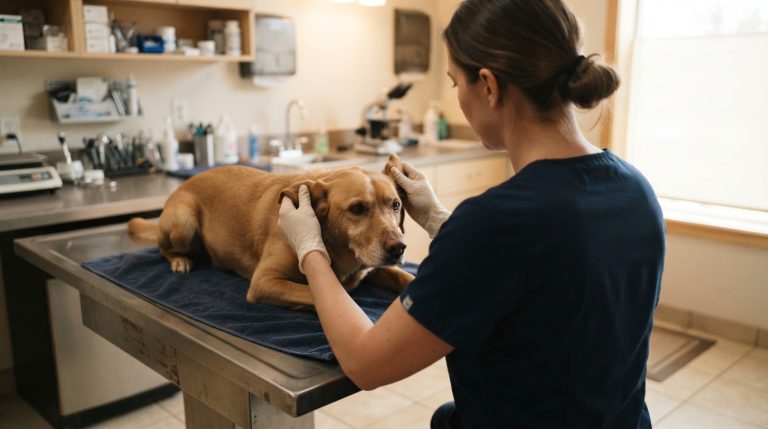
Not every veterinary clinic offers the same depth of post-operative services. A full-service hospital can manage the entire recovery arc, from the moment your pet wakes up from anesthesia to final clearance at a follow-up exam.
A modern facility should feature state-of-the-art laboratory equipment to quickly diagnose and treat sick pets, along with clean, spacious exam rooms and an on-site pharmacy for convenience.
Key recovery services to look for include:
• In-hospital monitoring after anesthesia and surgery
• On-site pharmacy for dispensing pain medications and antibiotics without a separate trip
• Diagnostic lab work to catch complications early
• Follow-up wellness exams to track healing progress
• Nutritional guidance during the recovery period
The AVMA’s 2025 updated anesthesia-monitoring guidelines were developed based on objective, evidence-based criteria and a consensus of expert opinion and clinical experience — a standard that reflects how seriously the profession treats the perioperative period. You can review the AVMA’s veterinary care resources for a broader look at what responsible post-operative oversight involves.
At-Home Recovery: What Pet Owners Need to Do
The hospital visit is only part of the picture. What happens at home in the days following surgery significantly shapes the outcome.
After arriving home, keep your dog warm and comfortable by providing a soft, clean bed in a quiet, draft-free room. Your dog should remain indoors overnight, going outside only for short leash walks. For most procedures, activity should be restricted for 7-10 days after surgery.
Incision care is equally important. Check the incision site twice daily. Redness and swelling should be minimal and there should be no drainage. Do not allow your pet to lick or chew at the incision.
Here is a quick comparison of normal versus concerning post-surgical signs:
|
Sign |
Normal |
Concerning |
|
Incision appearance |
Mild redness, closed edges |
Discharge, foul odor, open wound |
|
Energy level |
Tired for 24-48 hours |
Lethargy lasting more than 48 hours |
|
Appetite |
Reduced first day |
Refusal to eat beyond 48 hours |
|
Bowel movements |
Delayed up to 24-36 hours |
Vomiting, prolonged diarrhea |
Lethargy lasting more than 24 hours, diarrhea, and/or vomiting is not normal. If any of these occur, your pet needs to be seen by a veterinarian.
How Ongoing Wellness Care Connects to Recovery
Recovery does not end when the stitches come out. Pets that have an established relationship with a veterinary team tend to have smoother recoveries because the team already understands their baseline health.
Regular veterinary visits not only prevent illness but also help extend and improve your pet’s quality of life. Routine wellness visits also allow doctors to catch potential health issues early, improving outcomes and reducing the costs of treating advanced illnesses.
Providing expert pet care to South Indianapolis, Noah’s Stop 11 offers wellness, dental, and surgical services for dogs and cats — making it practical to keep preventive care and recovery follow-ups at the same location.
Frequently Asked Questions
How long does post-surgical recovery typically take for dogs and cats? Recovery length varies by procedure, but most soft-tissue surgeries require restricted activity for 7-10 days. Your veterinarian will advise a specific timeline based on your pet’s age, health, and the complexity of the surgery.
What should I feed my pet after surgery? Offer small, bland meals for the first 24 hours. Avoid rich or fatty foods during the recovery period, as they can upset the digestive system.
When should I call the vet after surgery? Contact your veterinarian if you notice persistent vomiting, excessive swelling or discharge at the incision site, or lethargy that extends beyond 48 hours post-surgery.
Can I give my pet human pain medication at home? No. Do not give human medication to your pet; it is dangerous and can be fatal. Always use only medications prescribed by your veterinarian.
Schedule a Visit With a Trusted Indianapolis Vet
Recovery goes more smoothly when your pet has a consistent care team who knows their history. Noah’s Stop 11 Animal Hospital serves South Indianapolis with wellness exams, surgical services, dental care, and an on-site pharmacy — giving pet owners a single, reliable resource from routine prevention through post-operative follow-up. If your pet is approaching a procedure or is currently in recovery, scheduling a consultation is a practical next step toward a safer, more supported healing process.