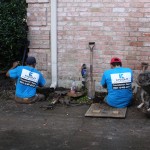
Denver homes face a mix of conditions that can put stress on their foundations and framing. Shifting soils, seasonal moisture changes, and repeated freeze-thaw cycles may gradually affect a home’s stability. When cracks, sloping floors, or sticking doors appear, homeowners searching online for Residential structural repair Denver CO can benefit from understanding what a thorough evaluation and repair process involves.
Recognizing Structural Warning Signs
Not every crack signals a serious problem. Small, stable hairline cracks in drywall or concrete can result from normal settling. However, changes over time deserve attention, especially when several symptoms appear together. Watch for:
- Cracks that widen, run diagonally, or reappear after patching
- Doors and windows that suddenly bind or no longer latch
- Floors that slope, bounce, or feel uneven
- Gaps between walls, ceilings, floors, or exterior trim
- A leaning chimney or visible movement in foundation walls
Keep a record of changes with dated photos and notes. This information can help an evaluator determine whether movement is ongoing and how quickly the issue should be addressed. Avoid covering or filling significant cracks before an inspection, since doing so may hide useful evidence.
Why Denver Homes May Shift
Many Front Range properties sit on clay-rich soils that expand when wet and shrink as they dry. Poor drainage, leaking plumbing, or downspouts that discharge next to the foundation can create uneven moisture levels around a home. In winter, freezing ground and repeated temperature swings may add further stress.
Older construction, previous alterations, and changes in how a home is used can also contribute to structural concerns. A new opening cut into a wall, for example, may require a properly designed beam to carry the load. Because similar symptoms can have different causes, repairs should be based on an evaluation rather than guesswork.
What a Repair Process Should Include
A sound repair begins with understanding the source and extent of the movement. A qualified structural professional may review the home’s layout, examine the foundation and framing, take measurements, and ask about past repairs or water issues. Depending on the findings, the next step may include monitoring, drainage improvements, reinforcement, foundation stabilization, or repairs to beams and supports.
The recommended work should match the specific problem. Adding supports without correcting persistent water intrusion, for instance, may leave an important cause unresolved. Ask for a clear explanation of the observed damage, proposed repair, and any assumptions or limitations. If permits are needed, confirm who will obtain them and whether inspections are part of the project.
Protecting Your Home Over Time
Homeowners can reduce preventable stress by keeping gutters clear, extending downspouts away from the foundation, and directing surface water away from the house. Address plumbing leaks promptly, and avoid making structural alterations without appropriate plans. After repairs, follow any monitoring or maintenance guidance and keep copies of inspection reports, permits, and repair details.
Early attention can help distinguish routine settling from a developing structural issue and support a more informed repair plan. By documenting warning signs, managing water around the foundation, and relying on professional evaluation for significant changes, Denver homeowners can protect their homes and make decisions with greater confidence.