When people think about car accident injuries, they usually picture the neck and back. Yet many drivers and passengers walk away from a collision with an arm problem instead: a shoulder that aches when they reach for a seatbelt, or an elbow that complains every time they carry groceries.
Sometimes that pain fades within a few weeks. Other times, it lingers for months after the bruises are gone and the car is back from the shop. For people in that second group, questions about longer-term options tend to come up, including whether shockwave therapy might help. This article explains how collisions affect the shoulder and elbow, why pain can hang on, what needs to be ruled out first, and where shockwave therapy may fit.
How a Collision Reaches the Shoulder and Elbow
A crash happens in a fraction of a second, but the body absorbs a surprising amount of force in that time. Several common moments in a collision can strain the arms.
The seatbelt is one. It is designed to hold your torso in place, and it does so by crossing over one shoulder. In a sudden stop, that shoulder takes much of the load. Bracing is another. Many drivers instinctively lock their arms against the steering wheel just before impact, which can send force up through the wrists, elbows, and shoulders. Passengers may brace against the dashboard or door in the same way.
Airbag deployment, twisting to look at oncoming traffic, or striking the door or console can add to the strain. Any of these can irritate the tendons, ligaments, and muscles around the shoulder and elbow, even in a collision that seemed minor at the time.
Why Some Pain Shows Up Late or Hangs On
Right after an accident, adrenaline and the focus on immediate concerns can mask discomfort. It is common for soreness or stiffness to become noticeable a day or two later, and some symptoms may not draw attention for weeks.
That delay is one reason many people choose to be evaluated even after a low-speed collision. A Car accident chiropractor or other provider can check how the neck, upper back, shoulders, and arms are moving, and imaging such as X-rays may be recommended depending on the force of the impact and your symptoms.
Pain can also linger for practical reasons. After an injury, people naturally protect the sore arm. They lift with the other side, avoid reaching overhead, and change how they sit and drive. Those adjustments make sense in the short term, but over time they can lead to stiffness, weakness, and irritated tendons that keep the cycle going. Shoulder or arm pain can also be connected to a neck injury, since nerves that serve the arm begin in the neck.
Rule Out Serious Injury First
Before considering any longer-term treatment for a painful shoulder or elbow, it is important to make sure nothing more serious is going on. Fractures, dislocations, and tendon tears need appropriate medical care, and some of them may require a referral to another provider or surgery.
Signs that call for prompt medical evaluation include:
- A visible deformity, significant swelling, or bruising that keeps spreading
- Inability to lift the arm or a sudden loss of strength
- A pop or tearing sensation at the time of the accident
- Numbness, tingling, or weakness running down the arm into the hand
These concerns matter for shockwave therapy specifically. NHS patient guidance lists a tendon rupture or a fracture near the treatment area among the reasons the therapy should not be given. In other words, shockwave is not a first-response treatment for a fresh injury. It comes into the conversation later, once serious damage has been ruled out.
Where Shockwave Therapy Fits After the Acute Phase
Shockwave therapy uses acoustic sound waves delivered through a handheld device to target irritated soft tissue, most often tendons. The waves are intended to increase local circulation and encourage the body’s own repair response. Treatment does not involve incisions, needles, or medications.
It is generally used for chronic problems rather than recent injuries. For someone whose shoulder or elbow is still sore months after a crash, with imaging and an exam pointing to tendon irritation rather than a tear or fracture, it may be one option to discuss. Conditions it is commonly used for include persistent tendon pain around the shoulder and tennis or golfer’s elbow, both of which can develop or worsen when an injured arm is used differently for a long time.
Sessions are typically brief, often five to ten minutes, and are usually spread over several weeks. Mild tenderness during treatment is common. Results vary from person to person, and shockwave therapy works best as one part of a broader plan rather than a stand-alone answer.
Providers usually screen for factors that can affect whether shockwave is appropriate. These may include blood-thinning medication, a recent steroid injection in the same area, a pacemaker or other device near the treatment site, pregnancy, or an active infection. Sharing your full health history helps your provider make that call.
The Role of Massage and Chiropractic Therapy
An arm that has been protected for weeks or months rarely recovers through one treatment alone. The muscles around the shoulder blade, upper back, and neck often tighten as they compensate, and joint motion can become restricted.
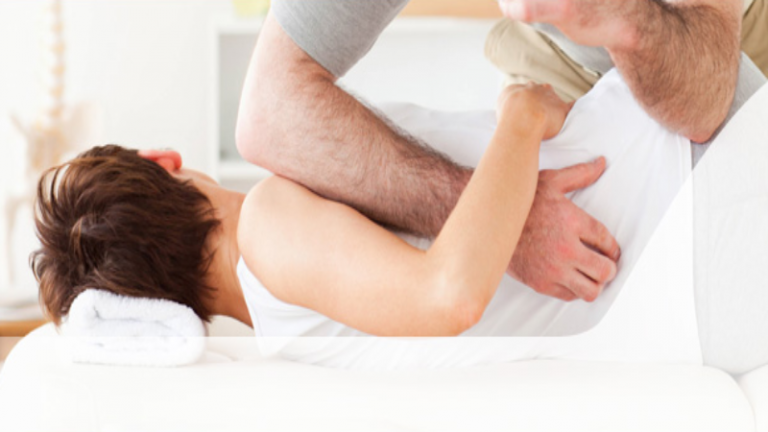
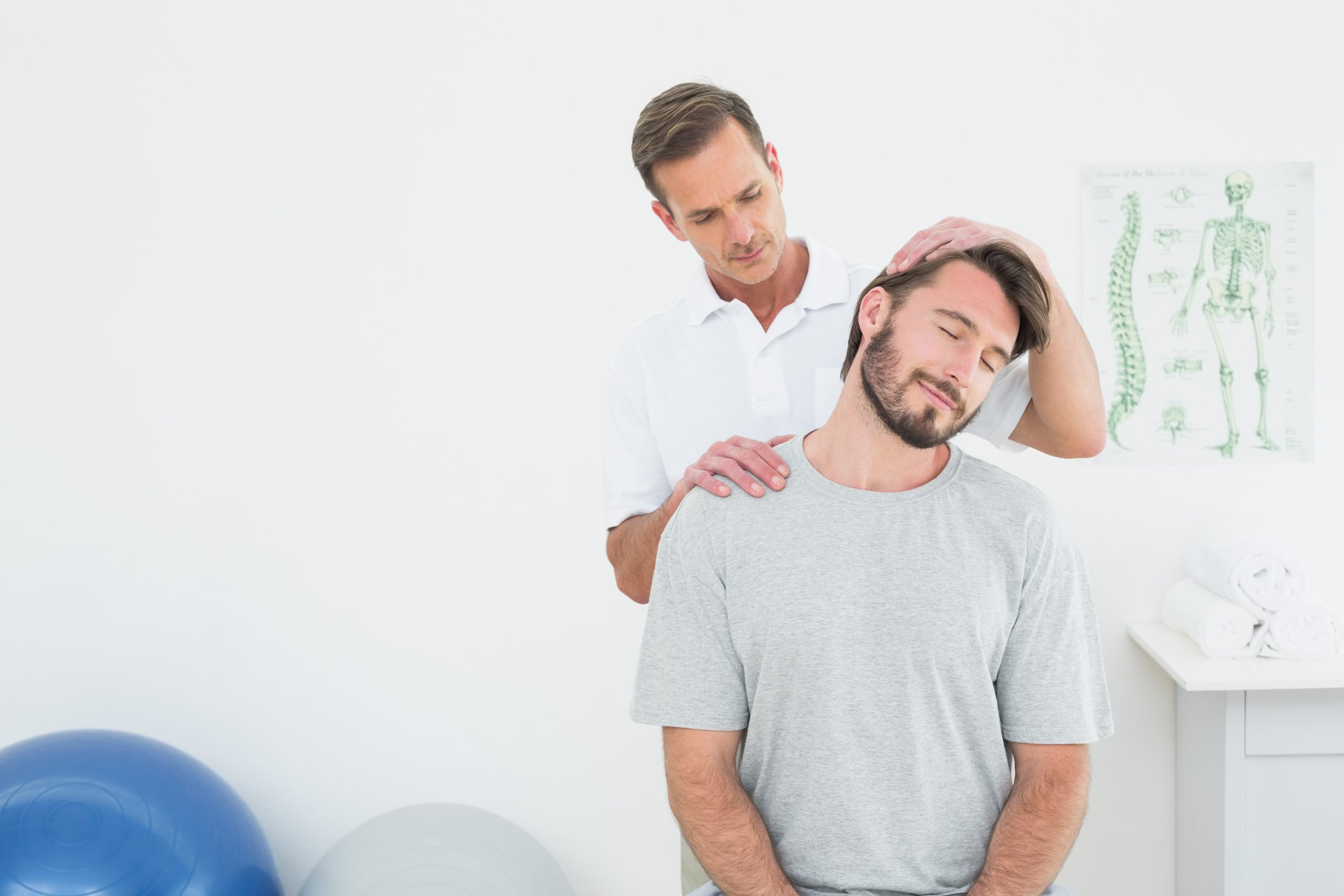
Massage is commonly part of post-collision care for this reason. Car accident massage focuses on easing muscle tension and restoring comfortable movement in the areas that have been overworking since the crash. Chiropractic therapy looks at how the neck, upper back, shoulder, and elbow move together, since a restriction in one area can place extra demand on another.
When shockwave therapy is part of the plan, it is often combined with this kind of supportive care. The shockwave targets the irritated tendon, while massage and chiropractic work address the surrounding muscles and movement patterns. Accident chiropractic care at its best brings these pieces together based on an evaluation of the individual, rather than following a fixed routine for every patient.
Questions Worth Asking Before Starting Shockwave
If shockwave therapy comes up as an option, a few questions can help you understand whether it fits your situation.
What is the likely source of my pain? Ask whether the exam and any imaging point to a tendon problem, a joint issue, a nerve involved at the neck, or a combination.
How many sessions should I expect, and how will progress be measured? A clear plan, with points where it will be reviewed, makes it easier to judge whether treatment is helping.
What else will be part of my care? Find out whether massage, chiropractic work, or home exercises will be included, and what you should avoid between sessions.
Practical Steps if Your Arm Still Hurts Weeks Later
If shoulder or elbow pain is still with you well after a collision, a few steps can help you and your providers make better decisions.
Keep a simple symptom log. Note when the pain is worse, which movements trigger it, and whether it affects sleep, work, or driving. Patterns are easier to spot on paper than from memory.
Do not ignore nerve symptoms. Numbness, tingling, or weakness in the hand deserves attention, since it may point to an issue in the neck rather than the shoulder or elbow itself.
Stay gently active. Complete rest can lead to stiffness. Unless a provider has told you otherwise, keep the arm moving within a comfortable range.
Follow up rather than wait it out. Pain that is not improving after several weeks is worth having rechecked. A fresh evaluation can identify problems that were not obvious right after the accident.
Keep your care records organized. After a collision, it is helpful to keep copies of imaging reports, visit notes, and treatment plans in one place. That makes it easier for each provider to see what has already been tried.
Moving Forward After the Crash
For drivers in Carmichael and throughout the Sacramento area, a fender bender on a busy commute can leave more than a dent behind. Shoulder and elbow pain after a car accident is common, and in many cases it improves with time and appropriate care. When it does not, shockwave therapy is one non-invasive option that may be considered, provided fractures and tears have been ruled out. Paired with massage, chiropractic therapy, and a thoughtful plan, it can be part of getting your arm back to everyday tasks without the reminder of the accident.
About Baratta Holistic Center
In Carmichael, California, Baratta Holistic Center provides chiropractic care under Dr. Tony Baratta, including health checks for people recovering from auto accidents. The office also offers shockwave therapy, massage therapy, cold laser therapy, and diagnostic X-ray, so patients can address several concerns in one location. Call (916) 979-0716 to reach the team, or Locate their Fair Oaks Boulevard office on Google Maps.