In today’s fast-paced food industry, balancing productivity with uncompromising safety standards is more critical than ever. As consumers demand higher quality and regulatory agencies enforce stricter guidelines, food processors are turning to advanced solutions to meet these expectations. One technology that has become indispensable for modern food production is Sieving Machines . These machines play a crucial role in ensuring that the food we consume is not only safe but also produced efficiently and consistently.
The Role of Sieving in Food Processing
Food processing involves various stages where raw ingredients are handled, blended, and transformed into finished products. During these steps, contaminants such as foreign particles, oversized materials, and even pests can inadvertently enter the production line. Sieving is a fundamental process used to separate unwanted materials from edible ingredients, ensuring that only the highest quality components proceed to the next stage.
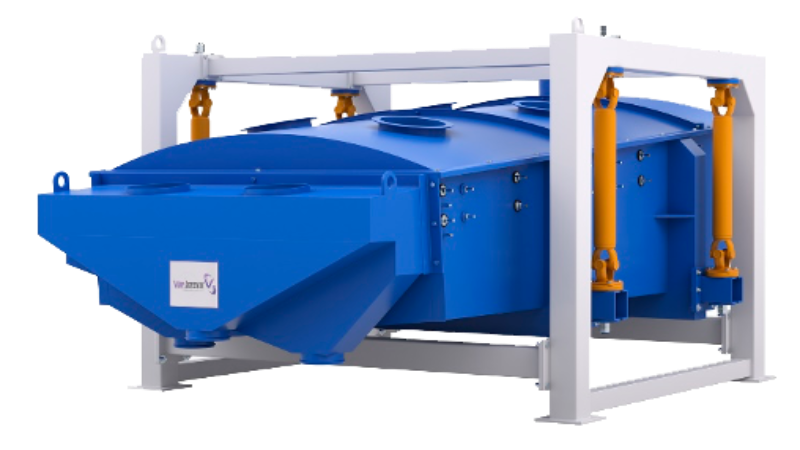
Sieving machines automate this critical task, offering several advantages over manual screening methods. By using finely engineered mesh screens and vibratory motion, these machines can quickly and accurately remove impurities, minimizing human error and reducing the risk of contamination.
Enhancing Food Safety
One of the primary concerns in food manufacturing is maintaining safety standards. Sieving machines address this by:
• Removing foreign contaminants: They effectively separate stones, metal shards, plastic fragments, and other hazardous debris from powders, grains, and liquids.
• Preventing cross-contamination: With closed system designs, these machines minimize exposure to airborne contaminants and allergens.
• Ensuring regulatory compliance: Automated sieving supports adherence to safety regulations set by agencies such as the FDA and USDA, helping processors avoid costly recalls or penalties.
By integrating these systems into production lines, food manufacturers can be confident that their products meet or exceed safety requirements before reaching consumers.
Boosting Efficiency and Productivity
Beyond safety, sieving machines are instrumental in streamlining operations and improving overall efficiency. Key benefits include:
• Consistent product quality: Automated sieving ensures uniform particle size, leading to improved texture, taste, and appearance in finished goods.
• Reduced labor costs: Machines can process large volumes with minimal supervision, freeing up personnel for other critical tasks.
• Increased throughput: High-capacity models are designed for continuous operation, significantly boosting production rates and reducing downtime.
• Easy integration: Modern sieving equipment can be seamlessly incorporated into existing processing lines, minimizing disruptions during installation or upgrades.
These advantages translate to lower operational costs, faster order fulfillment, and greater customer satisfaction.
Adaptability and Innovation
Sieving machines are available in various configurations to accommodate the unique needs of different food products, from fine powders like flour and sugar to coarser materials such as grains and spices. Innovations in screen design, vibration technology, and cleaning mechanisms have further enhanced their efficiency and ease of maintenance. Many systems now offer quick-change screens and self-cleaning features, reducing downtime and ensuring consistent performance.
Food processors can select from a range of options to match their specific requirements, supporting both small-batch artisanal operations and large-scale manufacturing plants.
Streamlining Food Production for the Future
As the food industry continues to evolve, the demand for equipment that delivers both safety and efficiency will only grow. Sieving machines represent a smart investment for manufacturers seeking to optimize their processes, protect their brand reputation, and meet the ever-increasing expectations of consumers and regulators alike. By embracing these advanced technologies, food processors can ensure that every product leaving their facility is both safe to eat and produced with maximum efficiency.