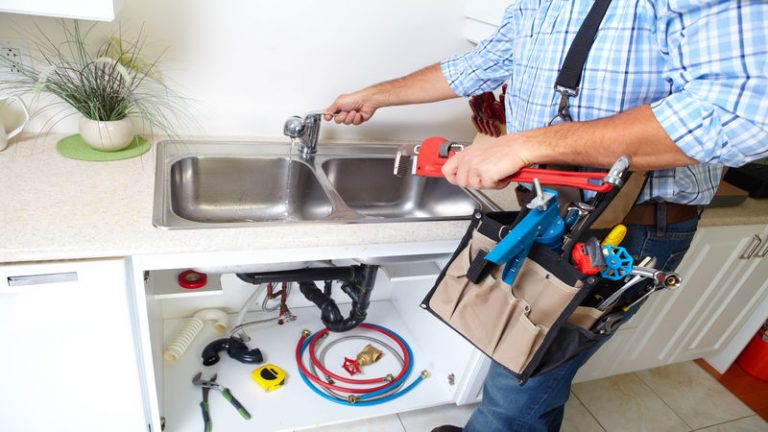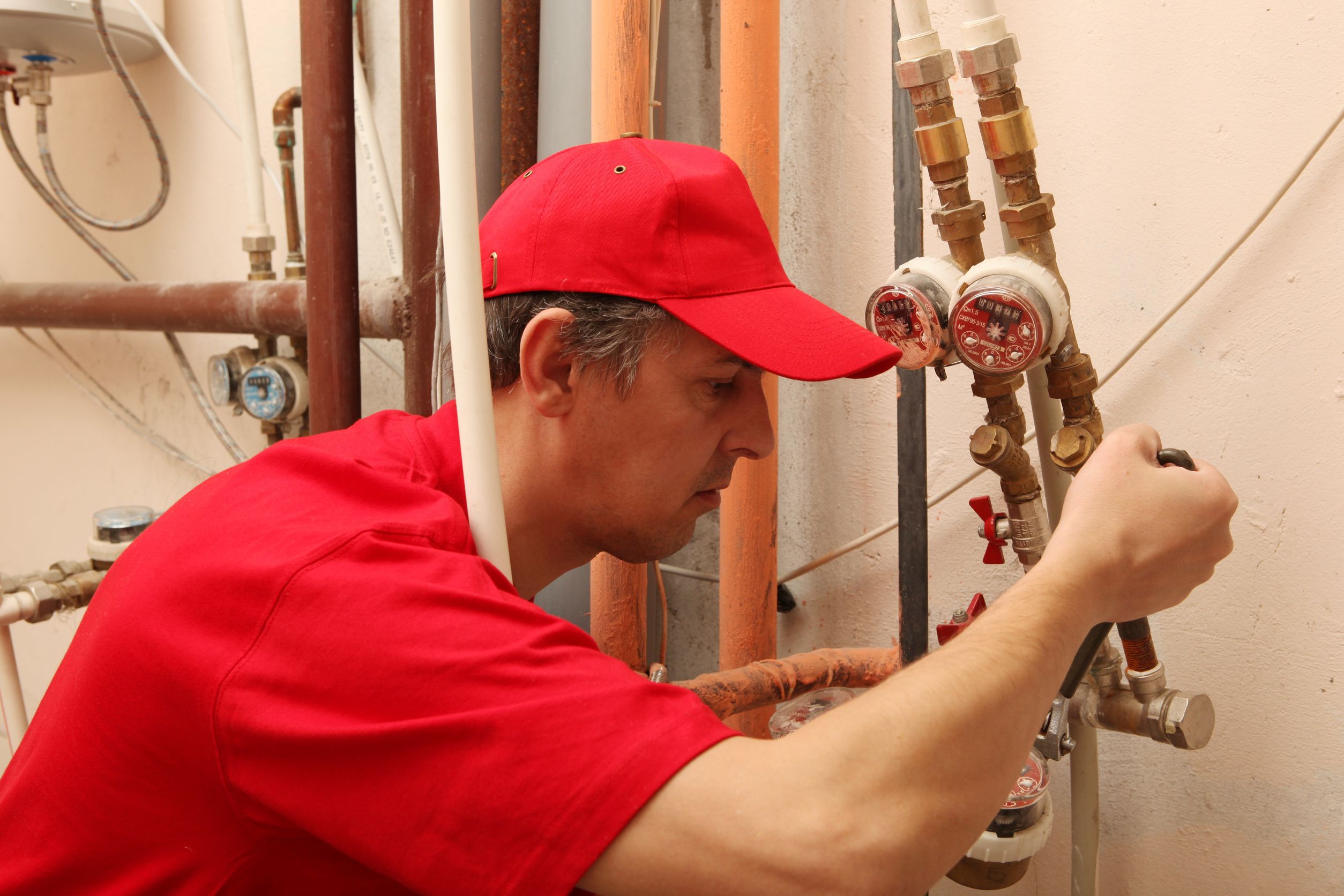
Appliance demand affects residential gas line planning because every gas-powered appliance requires a specific amount of fuel to operate correctly. A residential plumber must consider the combined demand of all connected appliances, along with pipe size, line length, and system layout, before determining whether the existing piping is adequate.
For homeowners in Surprise, AZ, this becomes especially important when adding, replacing, or relocating gas appliances. A connection that worked well for one appliance may not automatically support a higher-demand replacement or an additional appliance elsewhere in the home.
What Does Appliance Demand Mean?
Appliance demand refers to the amount of gas a particular appliance requires while operating. Gas ranges, dryers, water heaters, fireplaces, and other fuel-burning appliances can have different input requirements.
Those requirements are usually listed on the appliance rating plate or in the manufacturer’s installation information.
Residential plumbing planning looks beyond one appliance at a time. The system may need to support several appliances operating simultaneously, so the combined demand matters when evaluating the capacity of the home’s gas piping.
Why Does Total Household Gas Demand Matter?
A residential gas system typically includes a main supply with branches serving individual appliances. Each branch draws from the available capacity of the larger system.
When a homeowner adds another appliance, the total possible demand increases. If the existing piping was originally planned for fewer or lower-demand appliances, the added load may require a closer evaluation.
This does not mean every new appliance requires an entirely new gas system. In many cases, the existing piping may still be suitable. The important step is confirming that capacity rather than assuming the current line can handle additional demand.
How Does Pipe Size Affect Gas Delivery?
Pipe diameter influences how much gas can move through the system.
A pipe that is appropriately sized for one appliance may not provide enough capacity when additional appliances are connected farther downstream. The correct size depends on the total appliance demand, piping material, available pressure, and the length of the run.
A residential plumber may need to evaluate both the branch serving the new appliance and the upstream piping that supplies it.
This is why gas line planning should consider the entire path from the supply to the appliance rather than focusing only on the final connection.
Why Does Gas Line Length Matter?
Distance also affects residential gas line planning.
Gas traveling through a longer section of piping may require a different pipe size than gas traveling a short distance. The route may also include fittings, branches, and direction changes that need to be considered during system design.
If an appliance is relocated during remodeling, the new position may add significant piping length.
A line that was suitable when the appliance was nearby may need to be reassessed when the unit is moved farther away. Qualified residential plumbing services can evaluate the existing system and determine whether modifications are appropriate before a new appliance is connected.
Can Replacing an Appliance Change Gas Demand?
Yes. A replacement appliance does not necessarily have the same gas requirements as the one it replaces.
A newer range, larger water heater, or higher-output appliance may use more fuel than the previous model. Even when the appliance occupies the same location and connects to the same outlet, the existing piping should not automatically be assumed to be suitable.
Reviewing the new appliance specifications helps determine whether the current gas branch and overall residential plumbing system can provide the required fuel supply.
If the new appliance uses less gas, the existing line may still be acceptable, but the connection and piping condition should still be evaluated.
What Happens When Several Appliances Run at the Same Time?
Residential gas piping should account for situations in which multiple appliances may operate simultaneously.
A household could have a gas water heater running while someone cooks on a gas range and a gas dryer operates nearby. The system needs enough capacity to support the expected combined demand.
If available capacity is insufficient, performance may change when additional appliances turn on.
However, appliance performance problems can have several causes. Homeowners should not assume that gas line size is responsible based only on one symptom. A professional evaluation is needed to determine whether the issue involves supply capacity, the appliance itself, or another part of the system.
Does Every Gas Appliance Need a Separate Branch?
Not always.
Residential systems commonly use branches extending from larger supply lines. Whether a separate branch is appropriate depends on appliance demand, pipe sizing, routing, and the existing system configuration.
A lower-demand appliance may be adequately served from an existing branch, while another appliance may require a different connection point or larger piping.
Gas line planning therefore involves deciding not only where the appliance will connect but also how that connection affects the rest of the home’s gas distribution system.
How Should Future Appliance Additions Be Considered?
Homeowners planning renovations may want to consider future gas appliance needs before completing current piping work.
For example, a homeowner may install a gas range now but plan to add a gas dryer or replace a water heater later. Sharing those plans with the residential plumber can provide useful context when the current system is evaluated.
Planning ahead does not necessarily mean installing larger piping everywhere. It simply allows the system to be reviewed with a clearer understanding of how the home may eventually use gas.
This can reduce the likelihood of discovering later that recently completed piping needs to be modified again.
What Information Helps With Gas Line Planning?
Homeowners should provide information about existing gas appliances, planned additions, proposed appliance locations, and any recent remodeling.
Manufacturer specifications are especially helpful because they show the fuel demand of each new appliance.
If previous home plumbing services included gas line modifications, records or photographs may also provide useful information about the system.
A residential plumber can combine these details with an evaluation of the accessible piping to determine whether the current layout is appropriate.
Plan Gas Appliance Changes Carefully in Surprise, AZ
Appliance demand is an important part of residential gas line planning because every connected appliance contributes to the amount of fuel the system may need to deliver. Pipe size, distance, system layout, and future appliance plans should all be considered before changes are made.
Homeowners in Surprise, AZ, who are adding, replacing, or relocating gas appliances should arrange a professional evaluation before installation so the existing gas piping can be reviewed for the planned demand.