Short answer:
- A commercial roofing contractor protects business properties through scheduled inspections, material-specific maintenance, and timely repairs that extend roof service life.
- Flat, low-slope, and specialty roof systems (tile, metal, membrane) each require different upkeep approaches to avoid leaks and structural damage.
- Routine biannual inspections, proper drainage correction, and documented maintenance help commercial buildings in Oceanside, CA avoid costly emergency repairs.
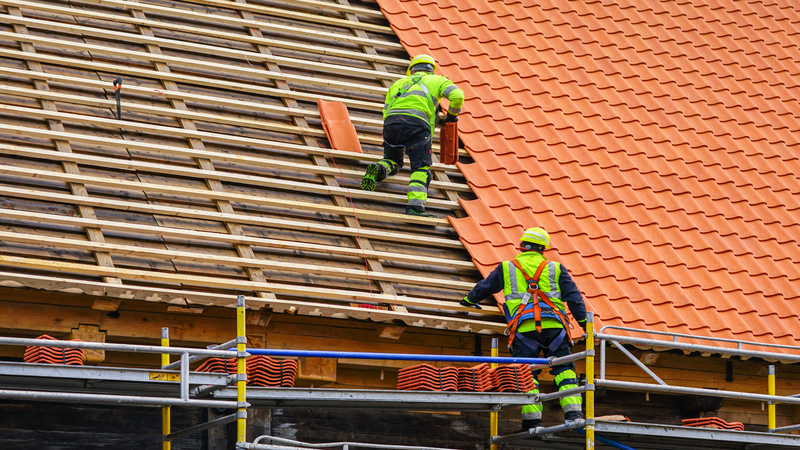
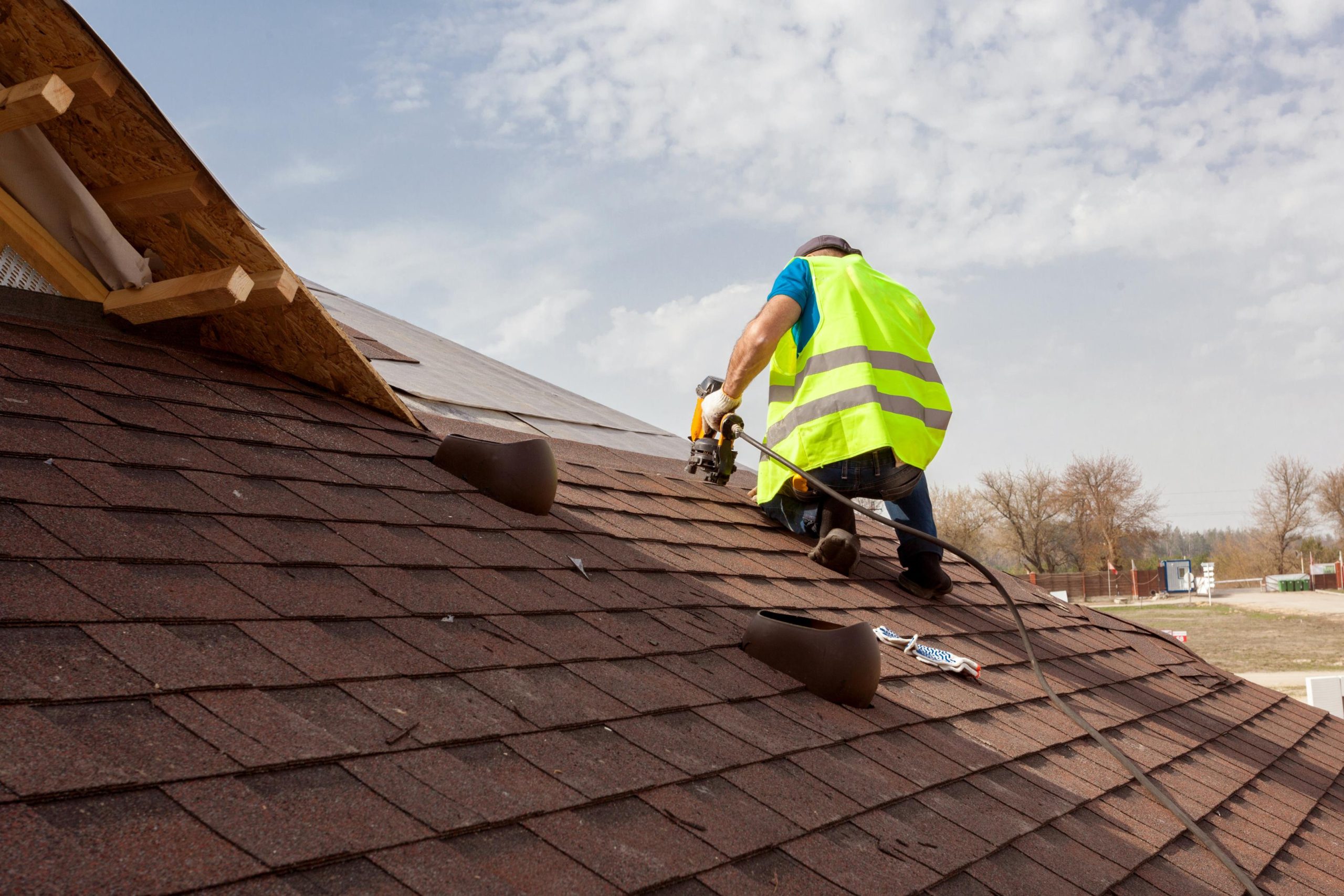
Commercial buildings face different roofing demands than houses. Flat and low-slope systems, rooftop equipment, and heavy foot traffic from maintenance crews all add wear that a standard residential roof never experiences. A Commercial Roofing Contractor working on these properties typically addresses drainage correction, flashing details, and material-specific installation requirements that directly affect how long a roof performs before it needs replacement.
Business owners often underestimate how much roof type affects maintenance needs. Properties with slate, tile, standing seam, metal, or flat roofing systems each carry distinct service requirements, and mismatched upkeep is a common reason roofs fail before their expected lifespan.
Why Commercial Roofs Need Specialized Care
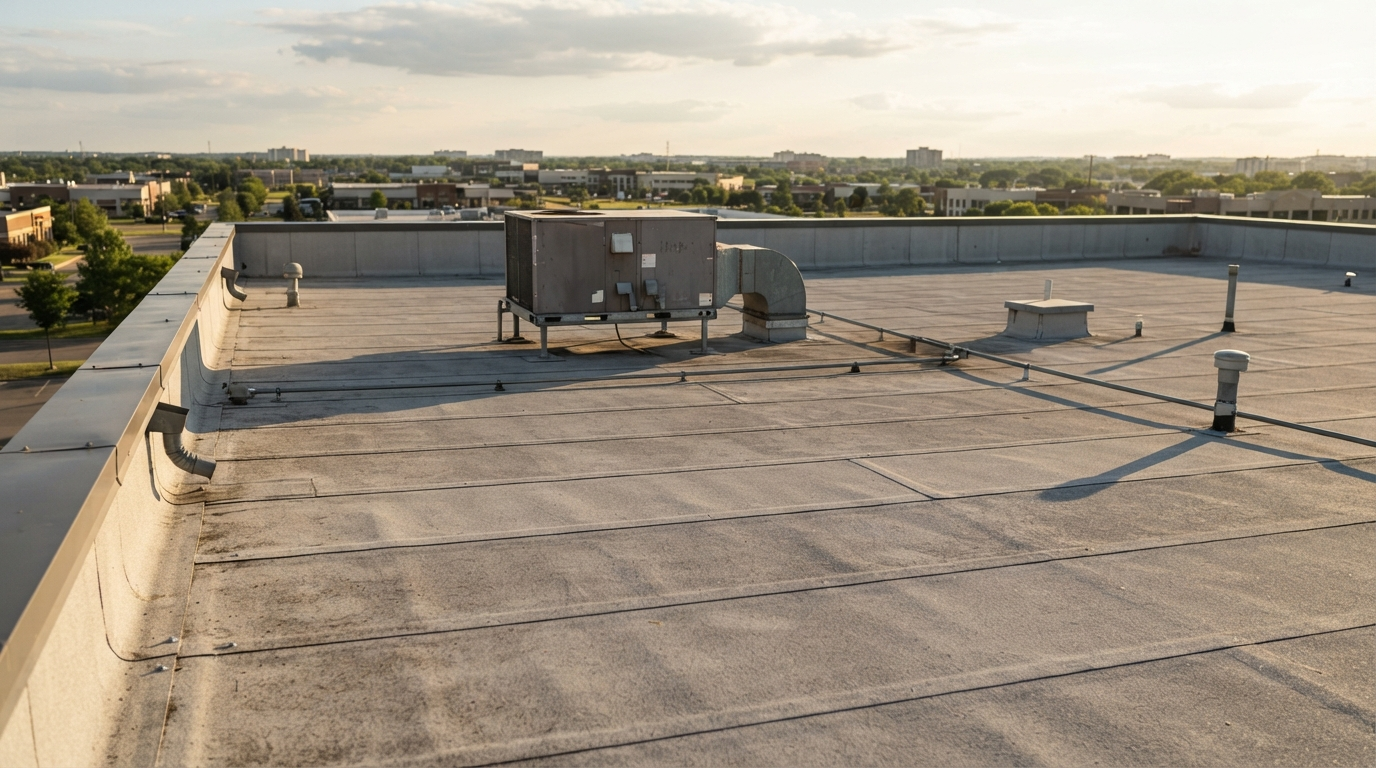
Commercial structures frequently combine multiple roofing materials and slopes on one building, which complicates maintenance planning. Sloped sections may use tile or composite shingles, while flat sections rely on membrane or metal systems that handle standing water differently.
- Flat and low-slope roofs require consistent drainage checks to prevent ponding.
- Metal and standing seam systems need seam and fastener inspections to avoid wind uplift damage.
- Tile and slate roofs depend on proper underlayment to resist moisture intrusion.
- Rooftop HVAC units, vents, and equipment penetrations create additional points that need sealing and periodic review.
According to the National Roofing Contractors Association guidance summarized by industry sources, biannual inspections in spring and fall are the baseline most manufacturer warranties require, with additional checks recommended after severe storms. Skipping these scheduled reviews is one of the most common reasons warranty claims are denied.
Core Services That Protect Business Properties
Commercial roofing work generally falls into a few categories that address different stages of a roof’s life cycle.
| Service Type | Purpose | Typical Trigger |
|---|---|---|
| Roof inspection | Identify early wear, leaks, or drainage issues | Seasonal schedule or after storms |
| Roof repair | Correct localized damage before it spreads | Leak reports or inspection findings |
| Roof maintenance | Extend service life through upkeep | Ongoing, scheduled basis |
| Roof cleaning | Remove debris affecting drainage and material condition | Periodic or pre-inspection |
Material sourcing also matters. Roofing systems installed with proper flashing, underlayment, and drainage corrections tend to reach their expected service life more consistently than roofs installed without those details addressed.
What Oceanside, CA Property Owners Should Know
Coastal exposure in Oceanside, CA introduces salt air and seasonal moisture that can accelerate wear on metal fasteners and flashing seams faster than inland properties experience. Building owners in this area benefit from inspection schedules that account for marine-layer humidity in addition to the standard spring and fall checkups.
- Schedule inspections before and after the rainy season to catch drainage issues early.
- Check flashing and sealant around rooftop equipment more frequently in coastal zones.
- Keep written inspection records, since many manufacturer warranties require documented maintenance history.
Based in Vista, CA, Santa Fe Roofing & Rain Gutters serves commercial properties across the Oceanside, CA area, working within the same coastal climate considerations that affect roof longevity throughout North San Diego County.
Business Info
Santa Fe Roofing & Rain Gutters operates from Vista, CA, where commercial roofing work covers slate and tile roofing, shingle and composite systems, standing seam and metal roofing, sloped roofing, maintenance, inspections, repair, and cleaning. More detail on Learn More About Santa Fe Roofing & Rain Gutters outlines the material-specific installation practices used across these roofing categories.
Frequently Asked Questions
How often should a commercial roof be inspected? Most industry guidance recommends at least two inspections per year, typically in spring and fall, with additional checks after major storms.
What roofing materials are used on commercial buildings? Common options include tile, slate, standing seam, metal, flat membrane, and composite shingle systems, each suited to different slopes and building types.
Can roof maintenance extend a commercial roof’s lifespan? Regular maintenance, including drainage correction and flashing repair, helps roofing systems reach their intended service life rather than failing early.
Does coastal weather affect commercial roofing differently? Salt air and moisture common in coastal areas like Oceanside, CA can accelerate wear on fasteners and seams compared to inland properties.
Final Notes on Commercial Roof Protection
Keeping a business roof in working condition depends on matching maintenance schedules to the building’s specific materials and slope conditions, rather than applying a generic upkeep plan. Published details for Learn More About Santa Fe Roofing & Rain Gutters cover the commercial roofing systems serviced across the local area.