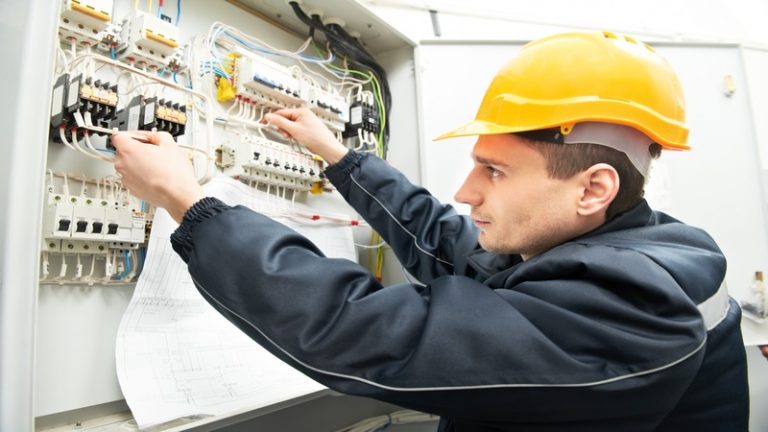
Preparing a home for solar power means confirming that the service panel, wiring, grounding, and connection points can support the planned system. A residential electrician helps identify needed updates before panels and related equipment are installed, supporting a smoother permit and inspection process.
Solar preparation is different from installing rooftop panels. It focuses on the home systems that will receive and distribute the power produced by the array. For Peoria homeowners, this review can be especially useful in older properties or homes with several high-demand appliances.
Why Should the Service Panel Be Reviewed First?
The service panel is the main point where power enters and is distributed throughout the home. Before solar equipment is connected, the panel must have suitable capacity, accessible connection points, and components that are in serviceable condition.
An open breaker space alone does not prove that a panel is ready. The electrician may review the service rating, household demand, breaker condition, panel labeling, and proposed solar connection method. Future additions, such as an EV charger or larger cooling system, may also affect long-term capacity needs.
The U.S. Department of Energy notes that solar-ready planning includes a panel that can handle the added load and wiring that can connect the home to the solar system.
What Does a Home Wiring Review Look For?
A home wiring review checks whether accessible parts of the system are suitable for the planned solar connection. The electrician may examine conductor condition, grounding, bonding, disconnect locations, panel access, and signs of earlier modifications.
This matters when a home has been expanded or remodeled. Additions may have introduced separate panels, extended circuits, or equipment installed under different standards. Finding these conditions early give the solar designer clearer information and can prevent changes after installation begins.
A qualified residential electrician can document existing conditions and explain whether repairs or updates should be completed before the solar contractor starts work.
How Does a Home Power Inspection Support Solar Planning?
A home power inspection provides a clearer picture of the property’s current condition. It can identify damaged components, crowded panel spaces, unclear circuit labels, corrosion, loose connections, or equipment that is difficult to access.
The inspection should stay focused on the proposed project. Its purpose is to determine which conditions could affect the solar connection, required shutoffs, inspection access, or future service.
Residential contractors who work on home power systems may also clarify whether the setup can support a battery, generator, or EV charger later. Considering future additions during planning can reduce the chance of placing equipment where it limits later options.
Why Do Grounding and Bonding Matter?
Grounding and bonding help provide a controlled path for fault current and keep connected metal parts at the same potential. Solar equipment introduces rooftop components, conductors, disconnects, and power-conversion equipment that must work with the home’s existing protection system.
An electrician can review the grounding electrode system, bonding connections, and service equipment before installation. If parts are damaged, missing, or difficult to verify, correcting them in advance may make the final installation and inspection more straightforward.
What Should Be Shared With the Solar Installer?
Homeowners should provide accurate information about the service panel, major appliances, recent additions, planned upgrades, and recurring power concerns. Photos may help during early design, but an on-site review provides more complete information.
Future plans also matter. A family expecting to add an EV, pool, workshop, battery, or larger cooling equipment may need a different strategy than a household whose power use is unlikely to change.
The Department of Energy advises homeowners to consider personal circumstances and future energy needs when planning a solar project.
Are Permits and Inspections Part of Solar Preparation in Peoria?
Rooftop solar projects commonly involve local permits and a final inspection. The City of Peoria provides an online development services portal where users can search building records and schedule inspections.
Requirements can change, so homeowners should confirm current instructions with the city and solar contractor before work begins. The Department of Energy also explains that local officials inspect completed rooftop solar systems to verify that applicable safety codes were followed.
Preparing accurate panel information and addressing known concerns before permit submission may help reduce revisions and scheduling delays.
When Should Solar Preparation Begin?
Solar preparation should begin before the final system design and equipment order. Early coordination gives the electrician and solar installer time to compare the home’s setup with the proposed array, inverter, disconnects, and future energy plans.
For Peoria homeowners, the best first step is a focused assessment of the service panel, wiring, grounding, access, and household demand. This information can support a more accurate proposal and help identify needed updates before work reaches the roof.
A well-prepared home does not guarantee that no changes will be required, but it creates a clearer starting point. Reviewing the home’s power system early helps homeowners make informed decisions, coordinate contractors, and approach solar installation with fewer avoidable surprises.