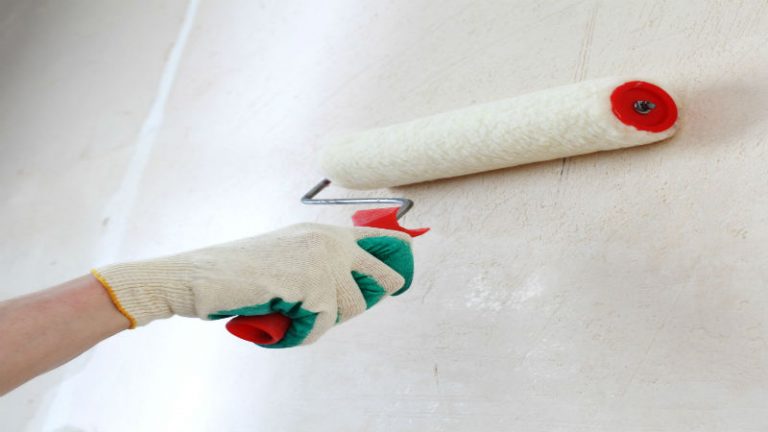
A smooth paint finish depends on more than the paint itself. The roller cover affects how evenly paint is picked up, carried, and released across a surface. For painters comparing tools online, a Lambskin roller cover may be worth considering because its natural fibers can hold a generous amount of paint and distribute it with consistent pressure. Used with the right paint and technique, it can help reduce patchiness and create an even coat.
Why the Cover Material Matters
Roller covers made with natural lambskin fibers are valued for their paint-holding capacity. The fibers absorb paint and release it as the roller moves, helping maintain a steady supply across the wall. This can make it easier to cover a larger area without repeatedly stopping to reload the tray.
Natural fibers also flex around small variations in a surface. That quality can be useful on lightly textured walls, where a very short-nap cover may leave paint sitting only on the highest points. Choosing the appropriate nap, the length of the fibers, is essential: shorter naps generally suit smoother surfaces, while longer naps can reach into more pronounced texture. A cover that is too thick for a smooth wall, however, may leave an unwanted stippled pattern.
Getting an Even Coat
Preparation and application technique matter just as much as the roller. Start with a clean, dry surface, and fill or sand imperfections before painting. Dust, grease, and loose material can interfere with adhesion and show through the finished coat. Use painter’s tape where needed, and protect floors and nearby fixtures.
Before loading the roller, remove loose fibers by gently washing or brushing the cover, then let it dry if you wash it. Pour paint into a tray and roll the cover through the deep end, then across the ridged area to distribute paint evenly. The cover should be saturated but not dripping. Too much paint can cause splatter, drips, and heavy edges; too little can create thin, uneven coverage.
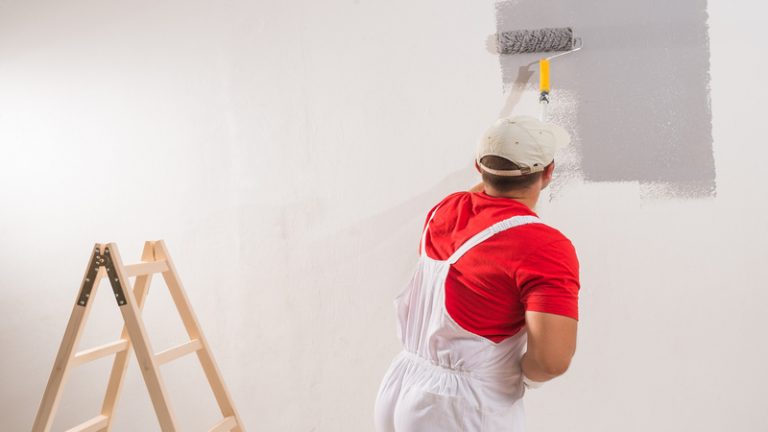
Apply paint in manageable sections. Roll in overlapping strokes, using light, consistent pressure, and finish each section with strokes in the same direction. Avoid pressing hard to squeeze out the remaining paint, since that can leave ridges or an uneven texture. Keep a wet edge by moving steadily from one section to the next, and do not repeatedly roll over paint that has begun to dry.
Match the Cover to the Project
A natural-fiber cover is not automatically the best choice for every job. Consider the surface, paint type, and manufacturer’s recommendations before you begin. Very smooth doors, trim, or cabinets may call for a short-nap cover designed to leave minimal texture. Rougher surfaces typically need a longer nap to reach recesses and provide more complete coverage. Testing your setup on a small, inconspicuous area can help you assess the finish before tackling the whole room.
After painting, clean the cover promptly if you plan to reuse it. Follow the paint label’s cleanup directions, remove as much paint as possible, and allow the cover to dry fully before storing it. Proper care helps preserve the fibers and keeps old paint from affecting your next project.
A smooth result comes from combining a suitable cover with careful surface preparation, even loading, and controlled strokes. When the nap fits the surface and the roller stays consistently supplied with paint, it becomes easier to achieve uniform coverage with fewer visible marks.