Emergencies can happen at any time, and when they do, having the right training is crucial to ensuring a swift and effective response. In schools, where children and staff members may face a variety of medical situations, having staff trained in first aid and CPR is essential. Whether it’s a minor injury on the playground, a choking incident in the lunchroom, or a more serious medical emergency, knowing what to do can save lives.
In Phoenix, AZ, the importance of workplace CPR training and emergency first aid skills is especially critical, given the city’s active lifestyle and high temperatures. Schools that prioritize first aid and CPR training for their staff are better prepared to respond to unexpected situations. This blog will outline the essential first aid skills every school staff member should have and how this training can help ensure the safety of everyone on campus.
Why First Aid and CPR Training Is Vital for Schools
Schools are dynamic environments where accidents and medical emergencies can occur at any time. With a diverse group of students, staff, and visitors, the chances of an injury, allergic reaction, or other health issue increase. First aid and CPR training provides school staff with the tools to respond immediately, which can help prevent situations from escalating and ultimately improve outcomes.
1. Responding Quickly to Emergencies
When a medical emergency occurs, quick action is essential. School staff trained in first aid and CPR can provide immediate assistance, often making a significant difference in the outcome. This training allows staff members to act with confidence, whether it’s performing chest compressions, using an AED, or stopping severe bleeding until medical professionals arrive.
2. Maintaining Calm in High-Stress Situations
In an emergency, the ability to remain calm and focused is vital. First aid training teaches individuals not only what to do but how to manage stress and think clearly in high-pressure situations. This calmness is especially important when dealing with students, who may be frightened or in pain.
3. Creating a Safer Environment for Students
Having trained staff in first aid and CPR creates a safer school environment. It reduces the risk of serious injuries and helps ensure that any medical situation is handled efficiently and professionally. Moreover, it reassures parents that their children are in safe hands, knowing that school staff is prepared for emergencies.
Key First Aid Skills Every School Staff Member Should Have
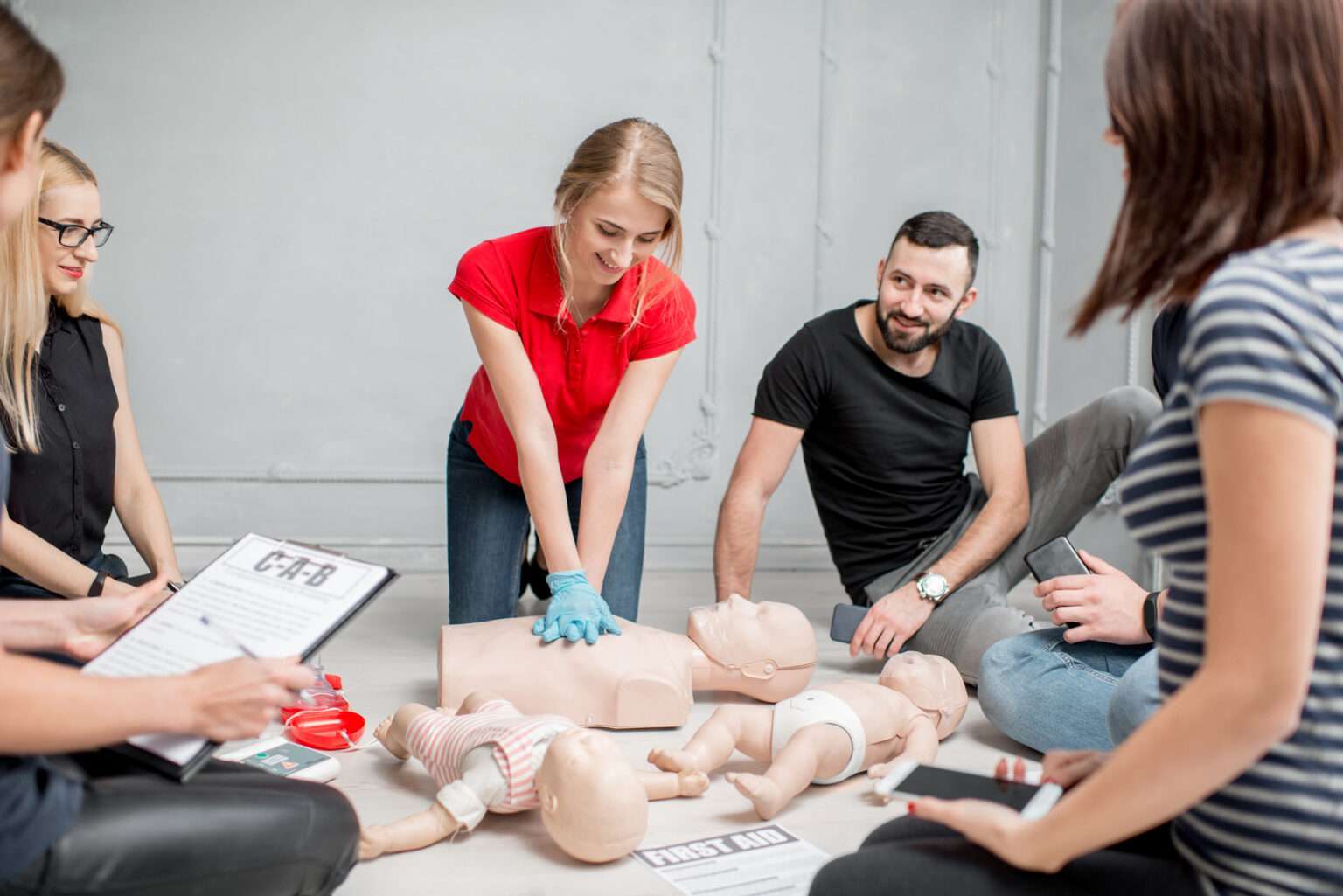
First aid and CPR training courses cover a wide range of scenarios that could arise in a school setting. Some of the most important skills for school staff to learn include:
1. CPR and AED Use
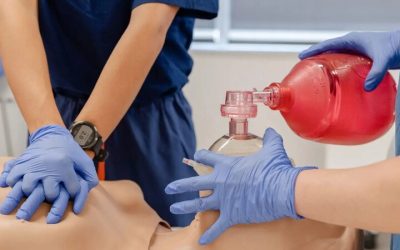
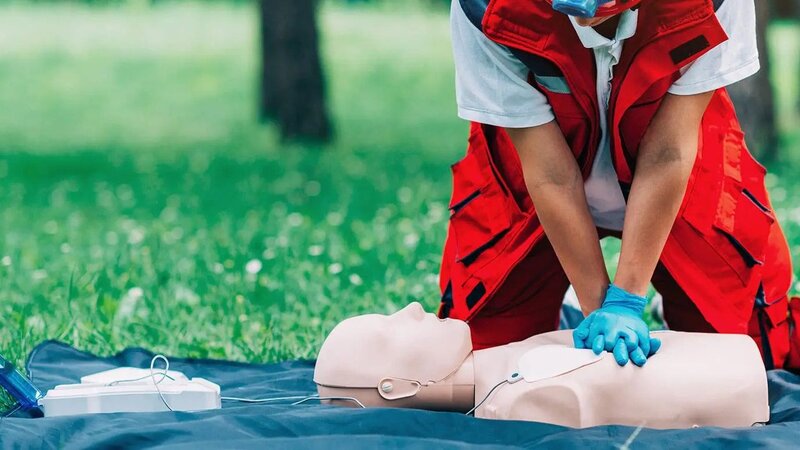
The most crucial skill for school staff to learn is CPR (Cardiopulmonary Resuscitation). CPR is used when someone stops breathing or their heart stops beating, and performing it immediately can double or triple their chances of survival.
In addition to CPR, learning how to use an AED (Automated External Defibrillator) is essential. An AED is a device that helps restart a person’s heart during cardiac arrest by delivering a shock. Training staff to use an AED effectively increases the likelihood of survival in a cardiac emergency.
2. Choking Response
Choking is a common medical emergency, especially in younger children. First aid training teaches school staff how to recognize the signs of choking and how to perform the Heimlich maneuver or back blows to dislodge the object blocking the airway. Knowing how to handle choking incidents ensures that the person involved receives immediate assistance until help arrives.
3. Basic Wound Care
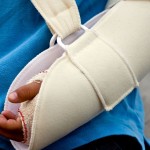
Accidents happen, and children are often prone to cuts, scrapes, and bruises. First aid training teaches school staff how to assess and treat these injuries. Proper wound care—cleaning, dressing, and bandaging—helps prevent infections and reduces the risk of complications.
4. Handling Allergic Reactions
Many students may have allergies to foods, medications, or environmental factors. First aid skills include recognizing signs of an allergic reaction and how to administer epinephrine through an EpiPen if necessary. Staff members trained in first aid are better equipped to manage these situations quickly, reducing the risk of serious health complications.
5. Heat Illness Prevention
Arizona’s extreme heat makes heat exhaustion and heatstroke a serious concern. First aid training for outdoor emergencies teaches school staff how to recognize the early signs of heat-related illnesses, including dizziness, nausea, and confusion, and how to treat them by cooling the body and providing fluids. This knowledge is critical for preventing heat-related emergencies, especially during outdoor activities.
Trusted First Aid Skills for Schools: Get Your Staff Trained
Training school staff in first aid and CPR is a vital step toward ensuring a safe school environment. In addition to the life-saving skills discussed above, this training helps create a culture of safety and preparedness on campus. Staff members will feel confident in their ability to handle medical emergencies, and parents will have peace of mind knowing their children are in good hands.
For schools in Phoenix, AZ, CPR Solutions AZ offers trusted first aid skills for schools, ensuring that all staff are equipped with the knowledge and confidence to respond to emergencies. Whether you’re a school administrator, teacher, or support staff, getting trained in first aid and CPR can make a life-saving difference. Contact them today to ensure your staff is prepared.