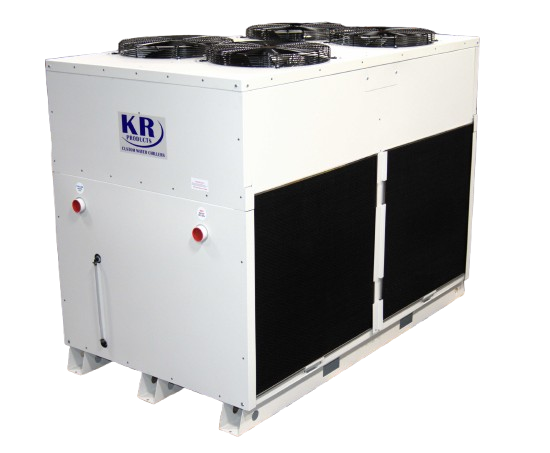
In modern industrial and craft production environments, maintaining precise temperature control during fermentation is not just beneficial—it is essential. A fermentation chiller plays a critical role in ensuring that fermentation processes operate under optimal conditions, resulting in consistent product quality, improved efficiency, and reduced production risks. For industries such as brewing, winemaking, pharmaceuticals, and food processing, fermentation chillers have become indispensable pieces of equipment.
What Is a Fermentation Chiller?
A fermentation chiller is a specialized cooling system designed to regulate and maintain the temperature of fermentation processes. Fermentation itself is a biochemical process in which microorganisms such as yeast or bacteria convert sugars into alcohol, acids, or gases. This process is exothermic, meaning it naturally generates heat. If this heat is not controlled, it can negatively affect product quality, alter flavor profiles, and even halt fermentation altogether.
To manage this heat, fermentation chillers use a cooling medium—typically a glycol-water mixture—to absorb excess heat and maintain a stable temperature range. This ensures that microorganisms remain active and productive throughout the process.
Why Temperature Control Matters in Fermentation
Temperature is one of the most critical variables in fermentation. Even slight fluctuations can have significant consequences:
-
Product Quality: Temperature impacts flavor, aroma, and texture, especially in beverages like beer and wine.
-
Microbial Activity: Yeast and bacteria perform best within specific temperature ranges; deviations can slow or stop fermentation.
-
Consistency: Controlled temperatures ensure uniform batches across production cycles.
-
Safety: In food and pharmaceutical applications, improper temperatures can lead to contamination or spoilage.
Because of these factors, fermentation chillers are not optional—they are essential for maintaining process reliability and product integrity.
How a Fermentation Chiller Works
Fermentation chillers operate on the principles of refrigeration and heat exchange. At their core, they function similarly to industrial chillers, consisting of key components such as a compressor, evaporator, condenser, and expansion valve.
Here’s a simplified breakdown of the process:
-
Heat Absorption: The chiller circulates a cooled glycol solution through coils or jackets surrounding the fermentation vessel. This solution absorbs heat generated during fermentation.
-
Heat Transfer: The heated glycol is pumped back to the chiller unit.
-
Cooling Cycle: Inside the chiller, the refrigeration system removes heat from the glycol using phase-change principles, where refrigerant transitions between liquid and gas states.
-
Recirculation: The cooled glycol is recirculated back to the fermenter, maintaining a continuous cooling loop.
This closed-loop system allows for precise and efficient temperature control, even in large-scale industrial settings.
Role of Glycol in Fermentation Chillers
Most fermentation chillers rely on glycol—typically propylene glycol—as the cooling medium. Glycol is preferred because of its unique properties:
-
Low Freezing Point: Prevents the coolant from freezing at low temperatures.
-
Efficient Heat Transfer: Enhances the system’s ability to absorb and remove heat.
-
Stability and Safety: Food-grade glycol is safe for use in beverage and food production.
The glycol solution circulates through pipes and heat exchangers, ensuring consistent temperature distribution across the fermentation vessel.
Applications of Fermentation Chillers
Fermentation chillers are widely used across multiple industries where controlled fermentation is essential:
1. Brewing Industry
In breweries, chillers regulate fermentation temperatures to produce consistent beer profiles. They are also used for processes like wort cooling and cold crashing, which improve clarity and stability.
2. Winemaking and Distillation
Winemakers rely on chillers to control fermentation speed and preserve delicate flavor compounds. Distilleries use them to manage temperature during alcohol production.
3. Food Processing
Fermented foods such as yogurt, cheese, and pickles require precise temperature control to ensure proper microbial activity and product safety.
4. Pharmaceuticals and Biotechnology
In these sectors, fermentation is used to produce enzymes, vaccines, and other biologics. Temperature control is critical for maintaining sterile and efficient production conditions.
Types of Fermentation Chillers
Fermentation chillers come in different configurations to suit various operational needs:
-
Air-Cooled Chillers: Use ambient air to dissipate heat; suitable for smaller or indoor operations.
-
Water-Cooled Chillers: Use water for heat removal; ideal for large-scale industrial applications.
-
Portable Chillers: Compact and flexible, often used in small breweries or pilot plants.
-
Centralized Systems: Designed for large facilities with multiple fermentation tanks.
Each type offers different advantages depending on production scale, available space, and cooling requirements.
Key Benefits of Fermentation Chillers
Investing in a high-quality fermentation chiller provides several advantages:
-
Precise Temperature Control: Maintains optimal conditions for fermentation.
-
Energy Efficiency: Modern systems are designed to minimize power consumption.
-
Improved Product Quality: Ensures consistent flavor and composition.
-
Scalability: Supports both small-scale and industrial production.
-
Durability: Built with robust materials like stainless steel for long-term use.
Selecting the Right Fermentation Chiller
Choosing the right chiller depends on several factors:
-
Cooling Capacity: Must match the heat load generated during fermentation.
-
Number of Fermentation Tanks: Multi-tank systems require higher capacity or multiple circuits.
-
Temperature Range: Different products require different temperature settings.
-
Energy Efficiency: Lower operating costs over time.
-
Space and Installation Requirements: Consider available floor space and ventilation.
Proper sizing and system design are crucial to avoid inefficiencies or inadequate cooling performance.
Future Trends in Fermentation Cooling
As industries evolve, fermentation chillers are becoming more advanced. Innovations include:
-
Smart Controls: Automated systems with real-time monitoring and remote access.
-
Eco-Friendly Refrigerants: Reducing environmental impact while maintaining performance.
-
Modular Designs: Allowing easy expansion as production scales.
-
Energy Recovery Systems: Reusing waste heat for improved efficiency.
These advancements are helping manufacturers achieve better sustainability and operational efficiency.
Conclusion
Fermentation chillers are a cornerstone of modern fermentation-based industries. By maintaining precise temperature control, they ensure product quality, process consistency, and operational efficiency. Whether in brewing, food production, or pharmaceuticals, these systems provide the reliability needed to support high-quality outcomes.
For companies like KR Products Inc., understanding the role and functionality of fermentation chillers is essential for delivering efficient cooling solutions tailored to diverse industrial needs. As technology continues to advance, fermentation chillers will remain a vital component in achieving controlled, scalable, and high-performance fermentation processes.