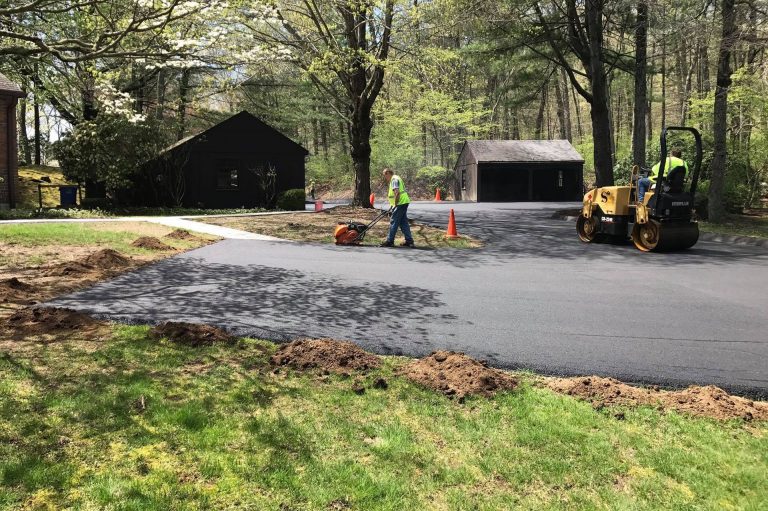
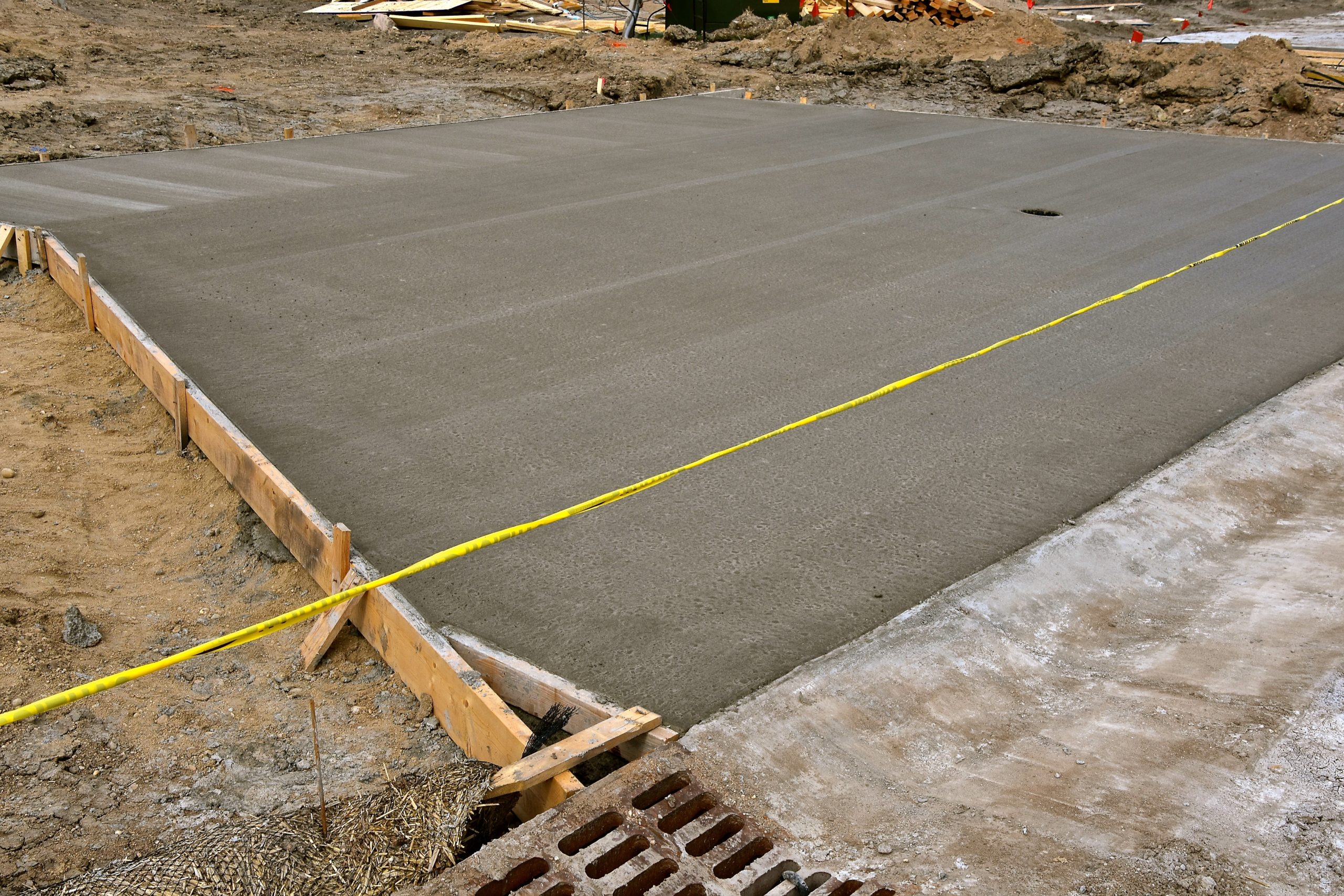
Phased parking lot sealcoating divides a commercial property into smaller work zones so one section can be treated while other entrances and parking areas remain available. For Phoenix businesses, this approach can reduce operational disruption while still allowing the asphalt surface to receive needed protection.
Commercial properties often depend on continuous vehicle access. Retail centers, medical offices, restaurants, warehouses, and multi-tenant buildings may not be able to close an entire parking lot for surface preparation, coating, curing, and restriping. Careful sequencing allows the work to move through the property without blocking every access point at the same time.
Why Is Phased Sealcoating Useful for Commercial Properties?
A full parking lot closure may be simple from a contractor’s perspective, but it can create major challenges for an operating business. Customers may leave if they cannot find an open entrance, deliveries may be delayed, and employees may not know where to park.
Phased work helps keep essential areas available. One zone can be cleaned, prepared, sealed, and allowed to cure while traffic continues through another section.
This approach is especially useful for properties with:
-
Multiple driveways
-
Separate customer and employee parking
-
Shared access between tenants
-
Loading and delivery areas
-
Drive-through lanes
-
Emergency access routes
-
High daily vehicle turnover
The property layout determines how many phases are practical and which sections should be completed first.
How Should a Parking Lot Be Divided Into Work Zones?
Work zones should follow the way vehicles naturally move through the property. Randomly dividing the lot can create dead ends, unsafe turns, blocked tenant entrances, or confusion for drivers.
A contractor may divide the lot by parking field, drive aisle, entrance, building wing, or tenant group. Each phase should provide a clear path from an open driveway to available parking and back to an exit.
The plan should also consider equipment movement. Sealcoating crews need enough space to clean the pavement, apply materials evenly, position barricades, and leave the finished section without driving over newly treated asphalt.
Before beginning commercial asphalt sealcoating, property managers should review the proposed sequence and confirm that customers, employees, emergency vehicles, and delivery drivers will still have usable access.
Which Entrances Should Remain Open?
The busiest or most visible entrance is not always the best one to keep open. The selected driveway must connect safely to available parking and should not force vehicles across an active work zone.
Property managers should consider:
-
Traffic volume at each entrance
-
Turning movements from nearby roads
-
Access to tenant storefronts
-
Delivery truck routes
-
Fire lanes
-
Accessible parking
-
Shared driveways
-
Nearby construction or roadwork
Some entrances may need to close briefly while the seal coating asphalt application crosses a main drive lane. In that situation, another entrance should already be open and clearly marked.
Temporary directional signs can reduce confusion. Signs should be placed before drivers reach the closure so they have time to choose another route.
How Can Customer and Employee Parking Be Managed?
Parking assignments should be communicated before each phase begins. Employees may be asked to use spaces farther from the building so closer stalls remain available for customers.
Multi-tenant properties may need different parking arrangements for each business. A restaurant may need more access during lunch and dinner, while an office may need parking throughout regular business hours.
Managers should also identify vehicles that remain parked for long periods. Abandoned, stored, or overnight vehicles can delay surface preparation and force a section to be rescheduled.
Notices should include the closure date, affected stalls, alternate parking areas, and the time vehicles must be moved. Repeating the information through email, posted signs, and tenant communication can improve compliance.
What Preparation Is Needed Before Asphalt Sealcoating?
Parking lot sealcoating should only begin after the surface has been inspected and prepared. Dirt, loose material, vegetation, oil residue, and debris can interfere with adhesion.
Cracks may need sealing before the coating is applied. Potholes, unstable patches, or areas with structural failure require parking lot repair rather than a surface treatment.
Oil-stained sections may need cleaning or specialized preparation. If petroleum contamination has softened the pavement, the damaged material may need to be removed and repaired before asphalt sealcoating proceeds.
Commercial asphalt maintenance should address these conditions before coating. Sealcoating can help protect serviceable pavement, but it cannot rebuild failed asphalt or correct problems below the surface.
How Long Must Each Phase Remain Closed?
Cure time varies based on temperature, sunlight, humidity, surface condition, material application, and manufacturer requirements. Phoenix weather may support drying, but high heat does not mean a section should reopen immediately.
The coating must be sufficiently cured before vehicles enter the area. Premature traffic can cause tracking, tire marks, scuffing, or surface damage.
Shaded areas may cure differently from sections exposed to direct sunlight. Drive lanes and turning areas may also need careful review because tires place more stress on the coating during acceleration and tight turns.
Each phase should remain barricaded until the contractor confirms that it is ready for traffic.
When Should Pavement Markings Be Restored?
Striping should be coordinated with the phased schedule. Parking stalls, arrows, accessible markings, fire lanes, loading zones, and no-parking areas must be restored before a section returns to normal use.
In some cases, the sealed area may reopen before final striping is completed, but this can create confusion. Drivers may park incorrectly or block required access areas when markings are not visible.
The best sequence depends on cure conditions, property needs, and the amount of striping required. Property managers should confirm whether each phase will be fully coated and restriped before the next section closes.
How Can Businesses Reduce Disruption During the Project?
Clear communication is one of the most important parts of phased parking lot sealcoating. Businesses should inform employees, tenants, vendors, and customers before the work begins.
A practical plan should include:
-
A map of each work zone
-
Dates for every phase
-
Open and closed entrances
-
Temporary parking locations
-
Delivery instructions
-
Vehicle-removal deadlines
-
Updates if the schedule changes
The plan should remain flexible enough to address weather, curing conditions, and unexpected pavement repairs.
Phased commercial asphalt maintenance allows Phoenix businesses to protect their parking areas while keeping essential access available. When the work zones, entrances, curing periods, and striping schedule are coordinated carefully, parking lot sealcoating can move forward without requiring the entire property to shut down at once.