Backfilling and final grade prep require equipment that can move soil, place material evenly, shape the surface, and prepare the site for compaction or finishing work. For contractors in Maricopa County, AZ, choosing the right heavy equipment rentals can help reduce delays, improve site flow, and support cleaner results before the next construction phase begins.
Backfill work often happens after trenching, foundation work, utility installation, drainage improvements, retaining wall construction, or site excavation. Final grade prep comes later, when the surface needs to be shaped to match drainage plans, pavement requirements, landscape layouts, or building elevations. Because each phase has a different purpose, the right rental equipment depends on soil conditions, access, slope, material volume, and the level of finish required.
Why Does Equipment Selection Matter for Backfilling?
Backfilling is not just about pushing dirt into an open space. The equipment must place soil in controlled layers, protect nearby structures or utilities, and allow proper compaction between lifts. If the wrong machine is used, crews may overfill areas, create uneven settlement, damage trench walls, or leave soft spots that create future repair problems.
In Maricopa County, soil conditions can vary across residential, commercial, utility, and roadwork projects. Some sites involve loose desert soil, while others may include compacted base, imported fill, rockier material, or previously disturbed ground. Equipment should be matched to the weight of the material, the size of the work area, and the level of control needed around structures or utility lines.
When Is a Dozer Useful for Backfilling?
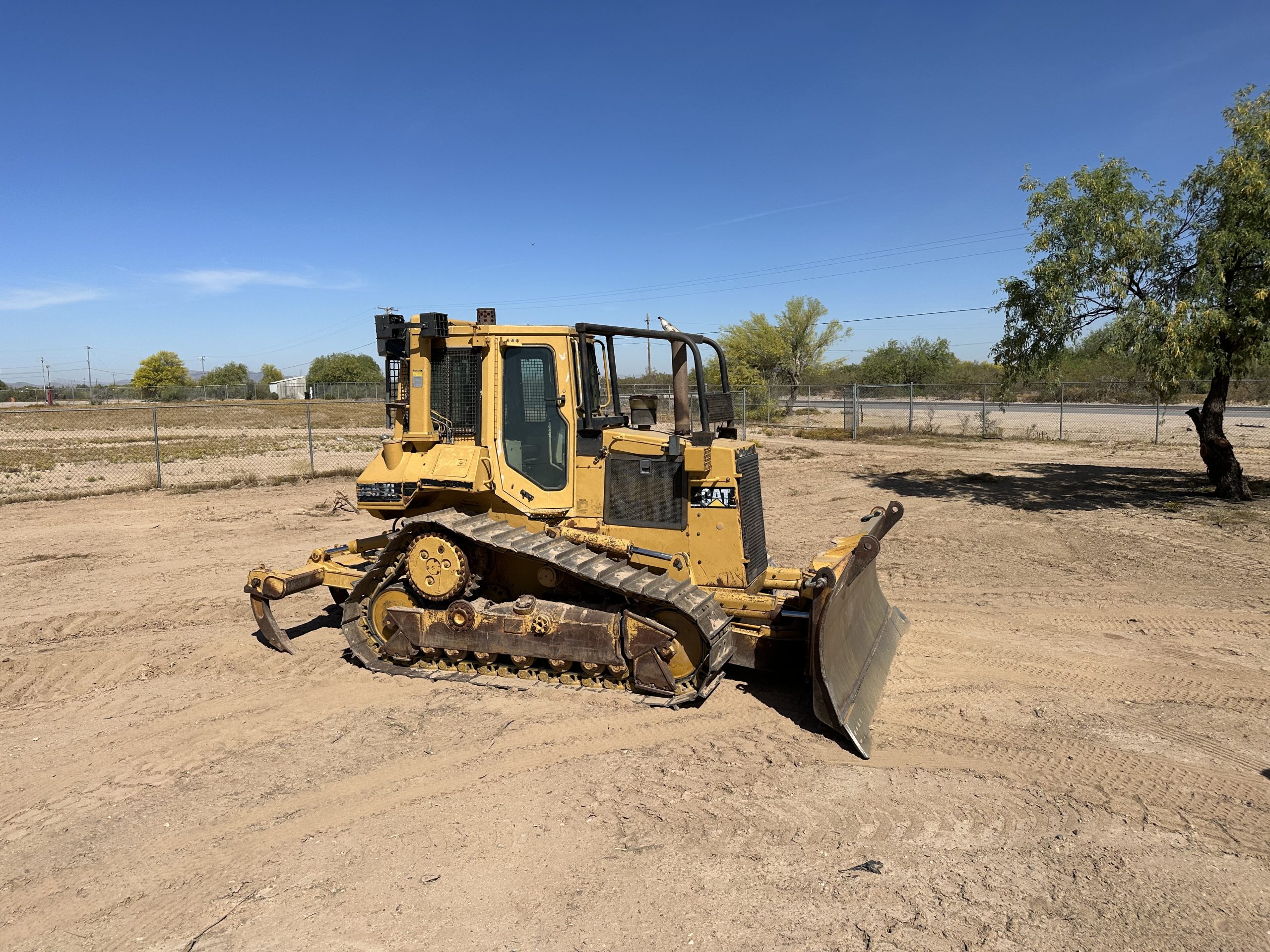
A dozer is commonly used when crews need to push, spread, and rough grade large volumes of soil. Searching for a dozer on rent can make sense for open jobsites where space allows the machine to move material efficiently. Dozers are useful for larger backfill areas, building pads, road shoulders, land development, drainage shaping, and general site balancing.
For backfilling, a dozer can help spread soil across a wide area before compaction equipment is used. It can also help reshape uneven ground after excavation. On larger Maricopa County projects, a dozer may be used before finer grading equipment comes in to refine slopes, transitions, and finish elevations.
Dozers are not always the right choice for tight spaces or delicate utility work. Their strength is high-volume movement and rough grade control, not precision placement in narrow trenches.
How Can Excavator Rental Support Backfill Work?
Excavator Rental is helpful when material needs to be placed with reach, control, or depth awareness. Excavators are often used after trenching, utility installation, drainage work, culvert placement, and foundation excavation. The bucket allows operators to place soil more carefully than a machine that only pushes material across the surface.
An excavator can also pull material from stockpiles, load trucks, clean edges, and place backfill around structures. For deeper excavations, an excavator may be better suited than a loader or dozer because it can reach down into the work area without driving directly over unstable ground.
Mini excavators may be useful for smaller utility, irrigation, residential, or landscape-related backfill needs. Larger excavators are better for commercial sites, drainage improvements, heavier materials, and deeper work areas.
What Role Does Grading Equipment Rental Play in Final Grade Prep?
Grading equipment rental becomes important after rough backfill is complete and the site needs smoother elevation control. Final grade prep is the stage where crews shape the surface so water drains correctly, pavement areas are ready for base material, and building pads or landscape areas match the project plan.
Motor graders, dozers, loaders, and compact machines may all support grading depending on the jobsite. A motor grader is often used for roadways, long flat surfaces, shoulders, and large pads where consistent slope and smooth transitions matter. A dozer may still be useful for broader shaping, while loaders can move and distribute material where needed.
The goal is to create a stable, even surface that supports the next phase of work. Poor grading can lead to drainage issues, pooling water, uneven paving, erosion, and added rework costs.
When Should Contractors Use Loaders for Backfill and Grade Prep?
Front-end loaders and skip loaders can be helpful when crews need to move material from one part of the site to another. They are useful for stockpile handling, distributing fill, loading trucks, cleaning up excess material, and placing soil in accessible work areas.
Loaders are especially useful when a project requires repeated material movement across a jobsite. They can move faster than some tracked machines and can help keep production moving when crews need fill, base, or aggregate placed in different areas.
For final grade prep, loaders can help spread material before more precise grading takes place. They are often part of a larger workflow rather than the only machine used for the entire process.
What Equipment Helps With Tight or Controlled Backfill Areas?
Not every jobsite has room for large machines. Residential work, utility corridors, irrigation trenches, sidewalks, alleys, and confined commercial sites may require smaller equipment. In these cases, mini excavators, compact loaders, trenchers, and smaller grading machines may be more practical.
Controlled backfill requires visibility and careful material placement. Smaller machines can reduce the risk of damaging nearby structures, utilities, curbs, walls, or finished surfaces. They can also help crews work around existing buildings, fencing, landscaping, and access limitations.
For many contractors in Maricopa County, the decision is not only about machine power. It is also about reach, turning radius, ground pressure, access width, and how much cleanup will be needed afterward.
How Should Contractors Match Equipment to the Jobsite?
Before renting equipment, contractors should consider the work area size, soil type, depth of excavation, amount of material, drainage needs, compaction requirements, and finish expectations. A project that needs rough backfill may require a dozer or loader. A project involving trench work may need an excavator. A roadway or pad may require grading equipment rental for final shaping.
It also helps to think through the full sequence of work. Backfill usually happens in stages, followed by compaction and grade refinement. Renting equipment that supports the entire process can help reduce idle time and avoid unnecessary machine swaps.
Plan Backfilling With Equipment That Keeps Grade Work Moving
For contractors planning backfill, drainage, utility, or final grade work in Maricopa County, the right rental fleet can improve production from rough placement to surface prep. Review available options for heavy equipment rentals for backfilling and choose machines that match the site conditions, access limits, soil movement needs, and grading goals before work begins.