A reverse osmosis system is one of the most effective methods of water filtration, removing contaminants and ensuring the water you drink and use in your home is clean and safe. Choosing the best reverse osmosis system for your home can greatly improve your water quality by filtering out harmful substances like lead, chlorine, pesticides, and more. This guide will help you navigate the process of selecting the right residential reverse osmosis system to suit your home’s needs.
What is Reverse Osmosis and How Does it Work?
Reverse osmosis (RO) is a water filtration method that uses a semi-permeable membrane to remove contaminants from water. The process involves applying pressure to push water through this membrane, which allows only clean water molecules to pass through while blocking harmful particles, including:
• Heavy metals (like lead and mercury)
• Chlorine and chlorine byproducts
• Sediments and particulate matter
• Pesticides and herbicides
• Bacteria and viruses
This process ensures that the water you consume is purified, making it an ideal solution for drinking, cooking, and even bathing. The efficiency and effectiveness of reverse osmosis systems make them a popular choice for homeowners looking for a comprehensive filtration solution.
Why Consider a Residential Reverse Osmosis System?
A residential reverse osmosis system is particularly beneficial for families who want the highest quality water throughout their home. Here are some reasons why you might want to install an RO system:
1. Improved Water Quality
The primary reason to consider an RO system is the dramatic improvement in water quality. If your local water supply contains harmful contaminants, an RO system can help remove these impurities, ensuring that you and your family drink pure, safe water.
2. Health Benefits
Contaminated water can cause a range of health issues over time, especially for sensitive individuals like young children and the elderly. By filtering out harmful substances such as chlorine, lead, and bacteria, a reverse osmosis filtration system helps protect your family from potential waterborne illnesses and long-term health risks.
3. Better Taste and Odor
One of the immediate benefits of installing a reverse osmosis system is the improvement in the taste and odor of your water. Many contaminants, like chlorine and sulfur, can cause unpleasant tastes and smells. An RO system ensures your water tastes fresh and clean, which makes drinking and cooking with it much more enjoyable.
4. Saves Money on Bottled Water
By installing a residential reverse osmosis system, you can eliminate the need for bottled water. Not only does this save money in the long run, but it also helps reduce plastic waste, making it an eco-friendly choice. A home filtration system provides unlimited access to clean water directly from your tap.
Factors to Consider When Choosing the Best Reverse Osmosis System for Your Home
When selecting the best reverse osmosis system for your home, several factors come into play. Understanding these considerations will help ensure that you invest in a system that fits your needs.
1. Water Quality and Testing
The first step in choosing an RO system is understanding your water quality. Not all homes have the same water issues, so it’s important to know what contaminants are in your water. A water quality test can identify pollutants such as chlorine, heavy metals, and bacteria. Many reverse osmosis filtration systems are designed to address specific contaminants, so knowing what’s in your water will help you select the right system.
For example, if your water contains high levels of lead, you’ll want an RO system that specifically targets heavy metals. If your concern is hard water, consider pairing the RO system with a water softener.
2. System Size and Capacity
Reverse osmosis systems come in various sizes and capacities. The size of the system you need depends on your household’s water usage. A small, under-sink system might be sufficient for a couple or small family, while a whole-house reverse osmosis system may be necessary for larger households with higher water consumption.
Consider your daily water usage, as well as the system’s flow rate (how quickly it can filter water). Choosing the correct size ensures that your system can meet your household’s demands without overworking.
3. Type of Filtration
Most reverse osmosis systems include multiple stages of filtration, each designed to address different types of contaminants. The most common stages include:
• Pre-filtration: Removes larger particles such as sediment and rust.
• Carbon filtration: Removes chlorine, volatile organic compounds (VOCs), and odors.
• Reverse osmosis membrane: Removes dissolved solids, heavy metals, and other microscopic contaminants.
• Post-filtration: Ensures that the water tastes fresh and clean by removing any remaining odors.
Make sure the RO system you choose includes all the necessary filtration stages to provide thorough purification.
4. Maintenance Requirements
Like any water filtration system, a reverse osmosis system requires regular maintenance. The filters and membrane need to be replaced periodically to ensure the system continues to function properly. Check the manufacturer’s recommendations for filter replacement intervals and maintenance costs.
Some systems offer more convenient features, such as indicator lights that signal when it’s time to change filters. Choose a system that fits your maintenance preferences and budget.
How to Install a Reverse Osmosis System
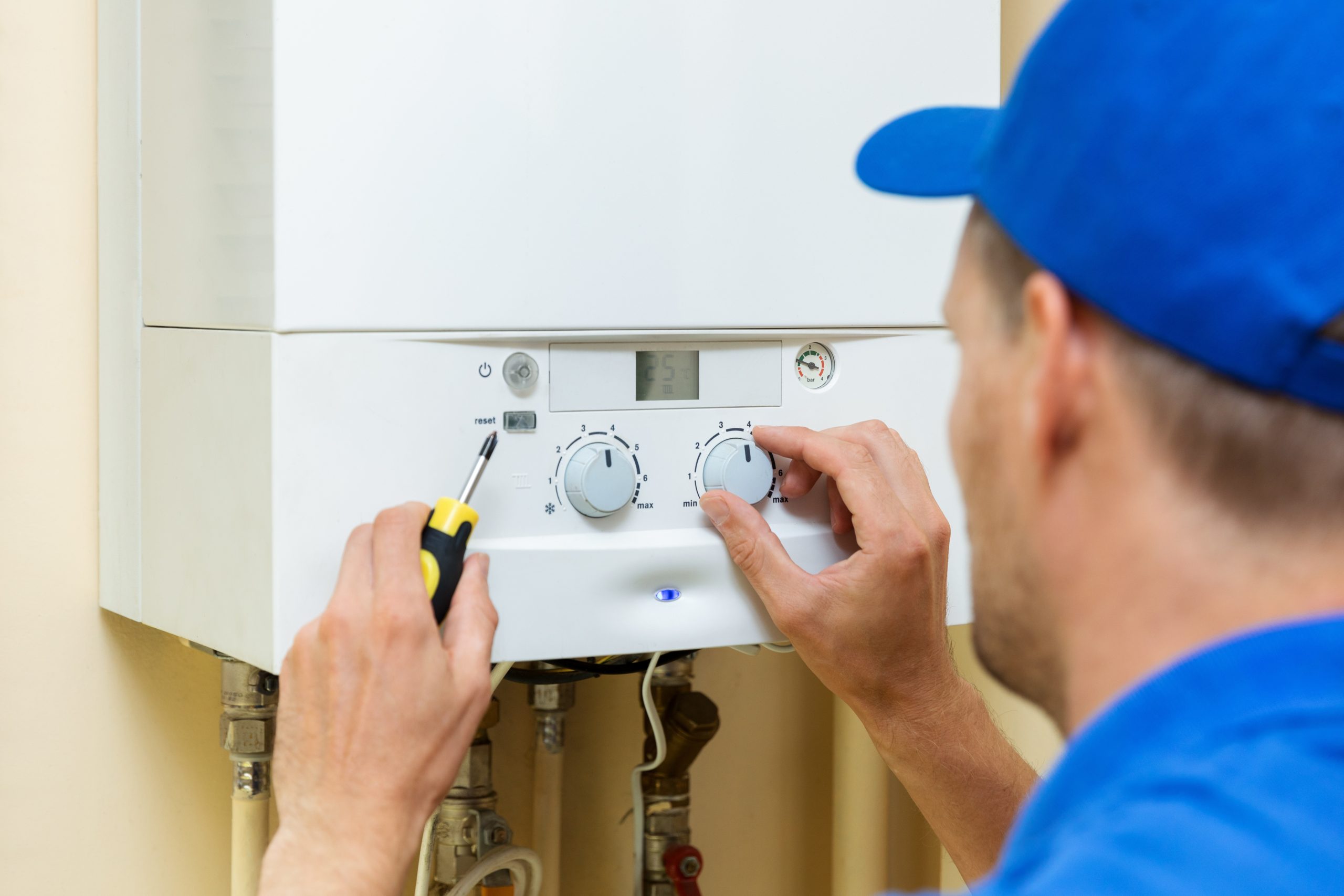
Installing a reverse osmosis filtration system typically requires some plumbing work. While some homeowners may choose to install the system themselves, it’s often best to contact a reliable and licensed plumbing company to ensure proper installation. Professional plumbers can ensure that the system is correctly connected to your plumbing and functioning at its best.
In some cases, plumbers may also offer post-installation maintenance services, such as filter replacements and system inspections, to keep your RO system running smoothly.
Contact a Reliable and Licensed Plumbing Company for Reverse Osmosis Installation in Gilbert, AZ
If you’re considering installing a residential reverse osmosis system in your home, contact Cure All Plumbing for professional advice and installation services. As a reliable and licensed plumbing company, they provide expert assistance to ensure your reverse osmosis system meets your home’s needs and is installed correctly for maximum efficiency.
For more information or to schedule a consultation, contact your local neighborhood plumber at (480) 895-5858 or visit the Cure All Plumbing website to learn more about their reverse osmosis system installation services.