Short answer:
- A quality pet clinic combines preventive care (exams, vaccines, parasite control), diagnostic and medical treatment, and surgical capability under one roof.
- Katy, TX pet owners benefit from clinics that coordinate wellness visits with dental care, imaging, and specialty services like behavioral medicine or senior care.
- Continuity of care across a pet’s life stages, from puppy visits to hospice support, is a key marker of a well-rounded practice.
A pet clinic that covers preventive, diagnostic, and surgical care in one location reduces the need for pet owners to coordinate between multiple providers for routine and urgent needs. This structure, often called a full-service veterinary model, is the standard against which most animal ls are measured.
Choosing a Pet Clinic in Katy, TX, means looking beyond basic vaccinations to whether a practice offers coordinated services across a pet’s lifespan. A clinic’s range of capabilities, from wellness exams to advanced diagnostics, often determines how well it can manage both routine visits and unexpected health concerns without referring every case elsewhere.
Preventive and General Care Form the Foundation
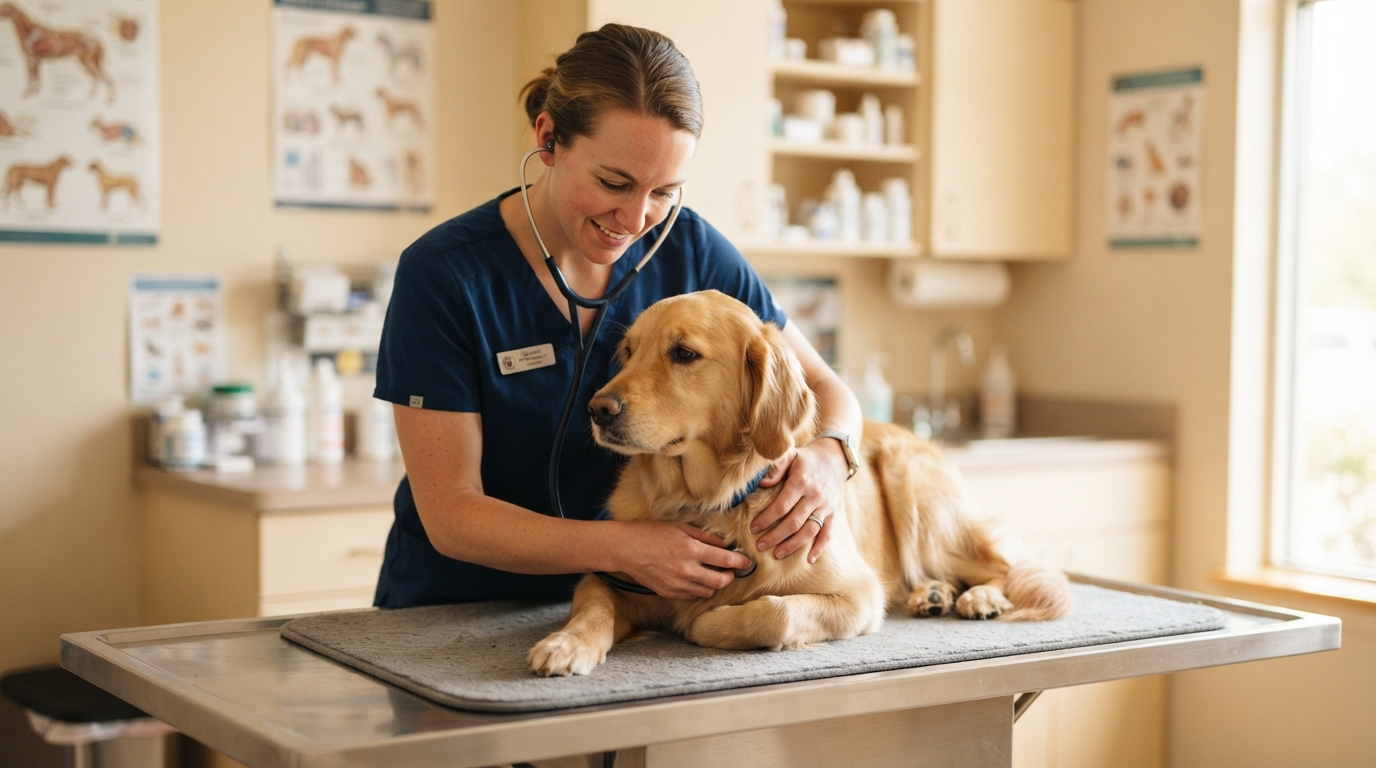
Routine wellness visits remain the backbone of veterinary medicine. Veterinary associations recommend that dogs and cats receive a clinical exam at least once a year, with more frequent visits for very young, senior, pregnant, or chronically ill animals, according to WSAVA wellness guidelines.
Core preventive services typically include:
- Puppy and kitten wellness visits
- Core and non-core vaccinations
- Parasite prevention and control, including flea, tick, and heartworm screening
- Nutritional counseling
- Microchipping and identification services
- Routine dental assessments
These baseline services catch minor issues before they become costly emergencies and establish a medical history that supports more accurate diagnosis later in a pet’s life.
Diagnostic and Medical Treatment Capabilities
When a wellness exam reveals a concern, a clinic’s in-house diagnostic tools determine how quickly a pet can be treated. Clinical examinations typically assess heart and breathing function, pain levels, body temperature, and nutritional status, with senior pets often requiring annual blood and urine testing for early disease detection, as outlined in WSAVA’s wellness principles.
Common medical and diagnostic offerings include:
- Radiology and digital imaging
- Ultrasound and echocardiogram services
- Pain management protocols
- Senior pet care plans
- Behavioral medicine for anxiety or aggression
- Telemedicine consultations for follow-up care
These services allow a practice to manage chronic conditions, age-related decline, and behavioral issues without sending every case to an outside specialist.
Surgical and Specialized Procedures
Surgical readiness separates a basic clinic from a comprehensive animal hospital. Spay and neuter procedures remain among the most common surgeries performed, alongside dental cleanings, soft tissue surgery, and advanced techniques such as laser therapy or endoscopy for less invasive treatment options.
A clinic equipped for these procedures reduces the stress of transferring an anxious or recovering animal to an unfamiliar facility mid-treatment.
Continuity of Care Across a Pet’s Lifetime
The value of a full-service clinic becomes most apparent over the years, not during a single visit. A practice that handles puppy exams, adult wellness care, senior diagnostics, and eventually hospice or end-of-life support maintains a consistent medical record that improves decision-making at every stage.
Based in USA, Circle B Veterinary Hospital serves pet owners across Katy, TX, reflecting how practices can extend coordinated care to a defined service area without maintaining multiple physical locations. This model lets pet owners rely on a single point of contact for both routine checkups and more complex medical needs as their animals age.
Frequently Asked Questions
How often should a healthy pet visit a clinic for a checkup? Veterinary guidance generally recommends an annual exam for healthy adult pets, with more frequent visits for puppies, kittens, seniors, and animals managing chronic conditions.
What preventive services matter most for new pet owners? Core vaccinations, parasite prevention, and an initial wellness exam are typically the starting point, followed by a nutrition and microchipping discussion during early visits.
Does a pet clinic handle both diagnostics and surgery, or are these referred out? Many full-service clinics perform imaging, bloodwork, and common surgical procedures such as spay/neuter and dental cleanings in-house, reserving referrals for highly specialized cases.
Why does continuity of care matter for aging pets? A consistent medical history allows a clinic to track subtle changes in weight, organ function, and behavior that might otherwise go unnoticed between providers.
Finding Coordinated Veterinary Support
Current service details for Circle B Veterinary Hospital are available for pet owners comparing coordinated care options in the area.