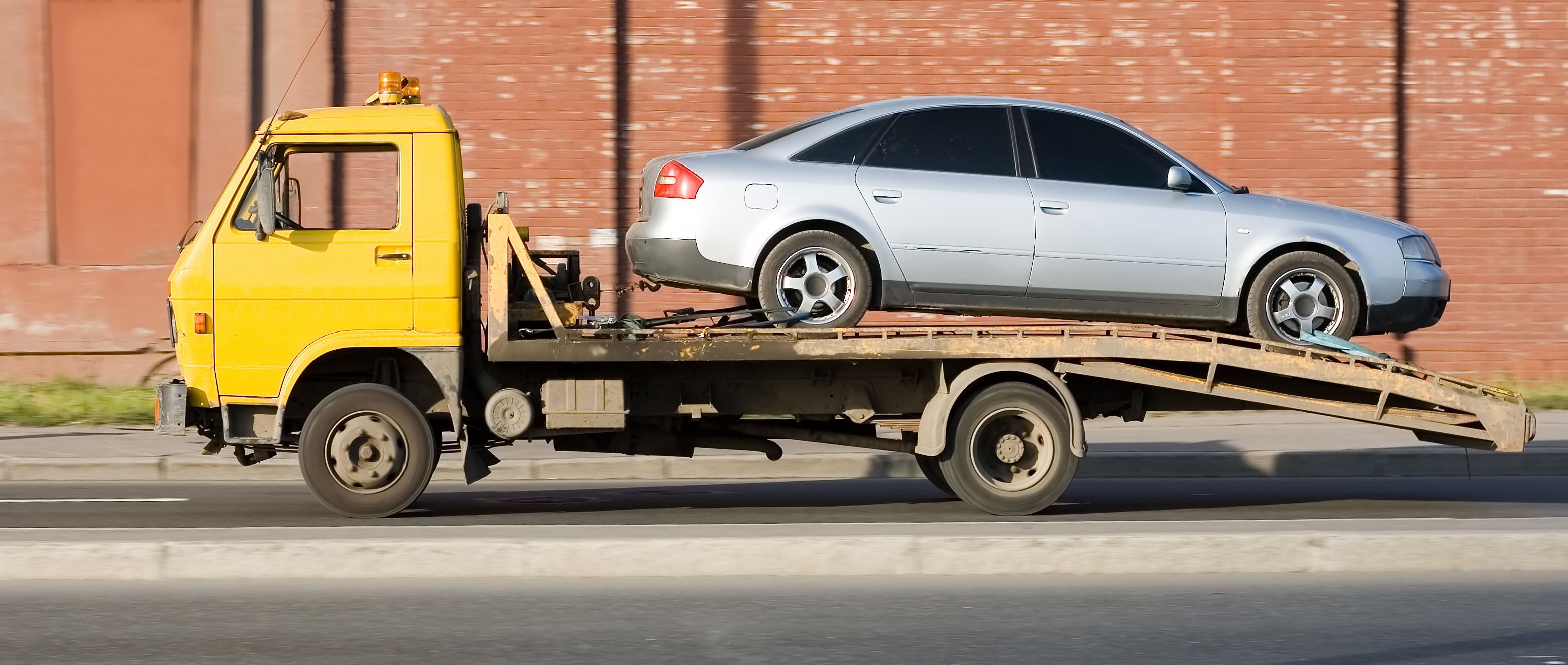
Yes, a vehicle with a missing or severely damaged wheel can often still be towed, but it usually requires a more careful loading approach than a vehicle that rolls normally. The condition of the wheel, suspension, axle, and surrounding components will help determine how the vehicle should be moved.
For drivers in Laveen, AZ, the safest next step is usually to avoid forcing the vehicle to move and arrange professional Towing when the wheel can no longer support normal travel.
What Happens When a Wheel Is Missing or Too Damaged to Roll?
A wheel that is missing, bent, broken, or severely damaged can prevent a vehicle from moving in the way it was designed to.
In some cases, the tire may be completely destroyed while the wheel itself remains attached. In other situations, the wheel may be bent enough that it cannot rotate normally. A collision, curb impact, suspension failure, or damaged hub can also cause the wheel assembly to shift out of position.
When that happens, driving may place additional stress on nearby parts.
Possible areas of concern can include:
- The wheel hub
- Brake components
- Suspension parts
- Axles
- Steering components
- The vehicle body or undercarriage
The more severe the damage, the less appropriate it is to attempt to move the vehicle under its own power.
Can a Towing Company Move a Vehicle That Will Not Roll Normally?
Yes. A professional Towing company can assess the condition of the vehicle and determine how to load it without relying on the damaged wheel to roll normally.
The towing approach may depend on several factors, including:
- Which wheel is damaged
- Whether the wheel is still attached
- Whether the axle or suspension is affected
- Whether the vehicle can shift into neutral
- Whether the remaining wheels can roll
- The vehicle’s ground clearance
- How much space is available around the vehicle
A car with one damaged wheel may require a different setup from a vehicle with multiple locked or damaged wheels.
That is why it is important to explain the condition clearly before the tow truck arrives.
Why Should You Avoid Driving on a Severely Damaged Wheel?
Driving on a severely damaged wheel can create more problems than the original issue.
A bent or broken wheel can affect how the tire makes contact with the road, while a damaged hub or suspension component can cause the wheel to move in an unstable way.
Continuing to drive may also increase damage to the brake system, axle, steering components, or body.
If the wheel is missing entirely, the vehicle should not be driven because the affected corner can no longer support the load as intended.
Even a short distance can matter when a wheel assembly is compromised.
When Might Emergency Towing Be Necessary?
Emergency Towing may be appropriate when the wheel damage occurs in a location where the vehicle cannot remain safely.
Examples include:
- A busy roadway
- An intersection
- A narrow shoulder
- A parking lot entrance
- A location with limited visibility
- An area where the damaged vehicle blocks traffic
If a wheel fails while the vehicle is moving, the driver should reduce speed carefully and move to the safest available location only if the vehicle remains controllable.
Once the vehicle is stopped, it is usually better to avoid moving it again if the wheel is visibly damaged or unable to rotate.
How Does 24 Hour Towing Help in These Situations?
Wheel damage can happen at any time.
A pothole, curb impact, collision, or component failure may occur early in the morning, late at night, or outside normal repair shop hours.
That is where 24 Hour Towing can be useful.
If the vehicle cannot remain in its current location, around-the-clock towing provides a way to move it to a safer destination or repair facility without continuing to drive on the damaged wheel.
This can be especially important when the vehicle is stranded far from home or in a location where leaving it overnight is not practical.
What Information Should You Give the Towing Provider?
Clear details help the towing provider understand the condition of the vehicle before arriving.
Useful information includes:
- Vehicle year, make, and model
- Exact location
- Which wheel is damaged
- Whether the wheel is still attached
- Whether the vehicle can roll at all
- Whether the steering still works
- Whether there was a collision or curb impact
- Whether the vehicle can shift into neutral
Photos may also be useful if the provider allows them to be shared, especially when the wheel or suspension is visibly out of position.
The goal is to reduce surprises and help the towing operator prepare for a vehicle that may not load normally.
Can a Damaged Wheel Affect the Rest of the Vehicle?
Yes. Severe wheel damage can affect several connected systems.
If the wheel was damaged by an impact, nearby parts such as the control arm, steering linkage, brake assembly, or hub may also be affected.
A vehicle may also develop alignment problems or uneven loading after the wheel shifts from its normal position.
That is why a vehicle with serious wheel damage should be inspected before returning to normal driving.
Towing the vehicle allows it to reach a repair facility without adding more road stress to already damaged parts.
What Should Laveen Drivers Do After Severe Wheel Damage?
Drivers in Laveen, AZ should stop driving if a wheel is missing, badly bent, unable to rotate, or visibly out of position.
Move the vehicle only if it can be done safely and without forcing the damaged wheel to support normal driving.
If the vehicle cannot roll correctly, contact a local towing provider and explain the condition in detail so they can determine the appropriate loading approach.
For severe wheel damage, arranging professional transportation is usually the safer next step before any further driving is attempted.
