In brief
• Specialty foods can introduce distinctive ingredients, regional recipes, and new flavors to familiar meals.
• Options may include pickles, honey, sauces, preserves, and seasonings from a range of producers.
• Check individual labels for origin, ingredients, and storage needs rather than relying on the specialty label alone.
Specialty foods can add variety to everyday meals through distinctive flavors, ingredients, or regional recipes. A different sauce, pickle, or seasoning can change a familiar dish without requiring a new cooking routine. Whether an item is worth buying depends on your taste, budget, and how often you expect to use it.
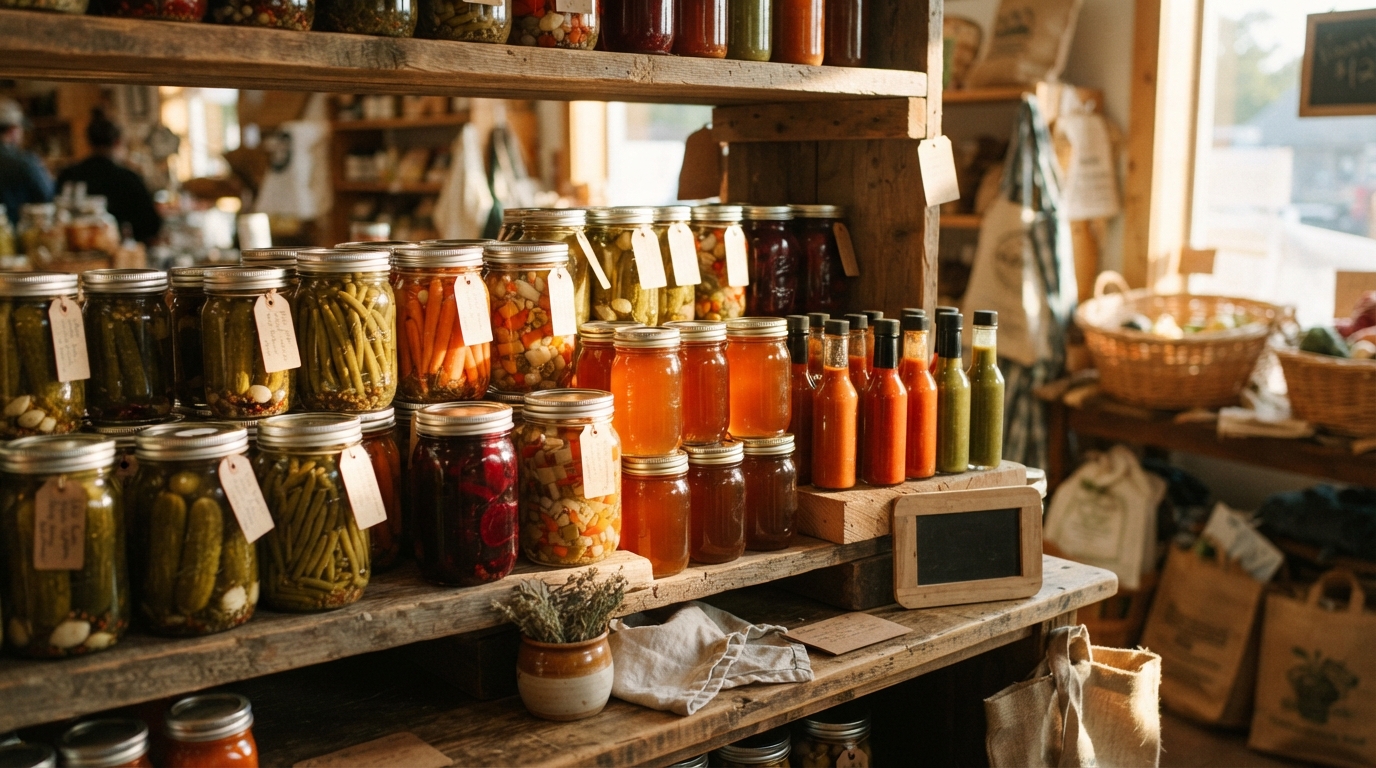
At Bailey’s Produce & Nursery, shoppers can explore specialty goods such as sauces, pickled produce, honey, preserves, and seasonings. Start with one item that works with meals you already enjoy, and check availability if you are looking for a particular product.
What Qualifies as a Specialty Food
Specialty food is a broad category. Products may stand out through their ingredients, origin, recipe, or production methods. Some come from small businesses, while others are made on a larger scale. The term alone does not establish that a product is local, handmade, organic, or less processed.
• Pickled vegetables and relishes for sandwiches, salads, or snack boards.
• Honey and infused honey for toast, dressings, or recipes.
• Regional sauces, condiments, and spice blends for familiar dishes.
• Cheeses, preserves, and other foods selected for distinctive flavors.
Read the package to learn who made the food and where it comes from. If traditional methods or local sourcing matter to you, look for specific information rather than assuming that every specialty product shares those qualities.
Why Shoppers Choose Specialty and Local Foods
Shoppers may choose specialty foods to try a regional recipe, discover an independent producer, or find a flavor they enjoy. Consider how an item will fit into meals you already prepare before adding it to your pantry.
1. Meal variety. A new condiment or seasoning can offer a different way to serve familiar ingredients.
2. Product information. Labels and maker details can help you compare ingredients, origin, and intended uses.
3. Independent producers. Choosing a product from a local or regional business supports that maker.
4. Personal taste. Distinctive recipes may offer flavors you prefer to the alternatives you normally buy.
For fresh produce, Michigan State University Extension explains that local food can be harvested closer to peak ripeness and spend less time in transit. Those potential advantages do not establish that a packaged specialty sauce, pickle, or preserve is fresher or more nutritious. Evaluate each product on its own merits.
Where Local Shopping Fits the Specialty Food Trend
Independent grocers, farmers markets, and supermarkets may all carry specialty foods. Selections vary by retailer and season. In Pensacola, FL, shoppers can compare pantry items alongside fresh ingredients and ask about products from local and regional makers.
Shopping Option |
Possible Selection |
What to Check |
|---|---|---|
|
Supermarket |
National brands and specialty lines |
Ingredients, origin, and unit price |
|
Independent market |
Regional goods and selected brands |
Current selection and maker details |
|
Farmers market vendor |
Produce or packaged foods |
Who made or grew the item and how to store it |
Retail format alone does not determine quality or sourcing. Compare the actual products, labels, and prices, and choose items that suit your meals and budget.
Frequently Asked Questions
Are specialty foods the same as organic foods?
Not necessarily. Specialty foods are defined by distinct quality, regional origin, or traditional production methods, while organic status refers to a specific certification standard that some, but not all, specialty products carry.
Do specialty foods cost more than standard grocery items?
Prices vary. Compare unit prices, package sizes, and likely use rather than assuming that a specialty product always costs more or offers better value.
Can specialty foods fit into everyday meal planning?
Yes. Items like pickled vegetables, infused honey, and regional sauces can be used as everyday condiments or ingredients rather than occasional novelty purchases.
Where can specialty foods be found in Pensacola, FL?
Look at independent markets, specialty retailers, and grocery stores. Bailey’s Cupboard offers specialty goods alongside the market’s other selections.
Local Market Information
Bailey’s Produce & Nursery is a market and nursery in Pensacola, FL. Browse the Cupboard for pantry options and ask about the makers behind available products.
For current location and hours, Visit Bailey’s Produce & Nursery on Google. Contact the market to confirm availability before a trip for a specific item.


