In the dynamic world of American manufacturing, precision is more than a buzzword—it’s a core requirement that drives success across countless industries. Whether building cars, electronics, appliances, or aerospace components, manufacturers depend on high-quality parts that meet exact specifications. That’s why so many professionals search for solutions like Metal Stamping Products , knowing that exactness in this process can make all the difference in daily operations.
The Role of Precision in Metal Stamping
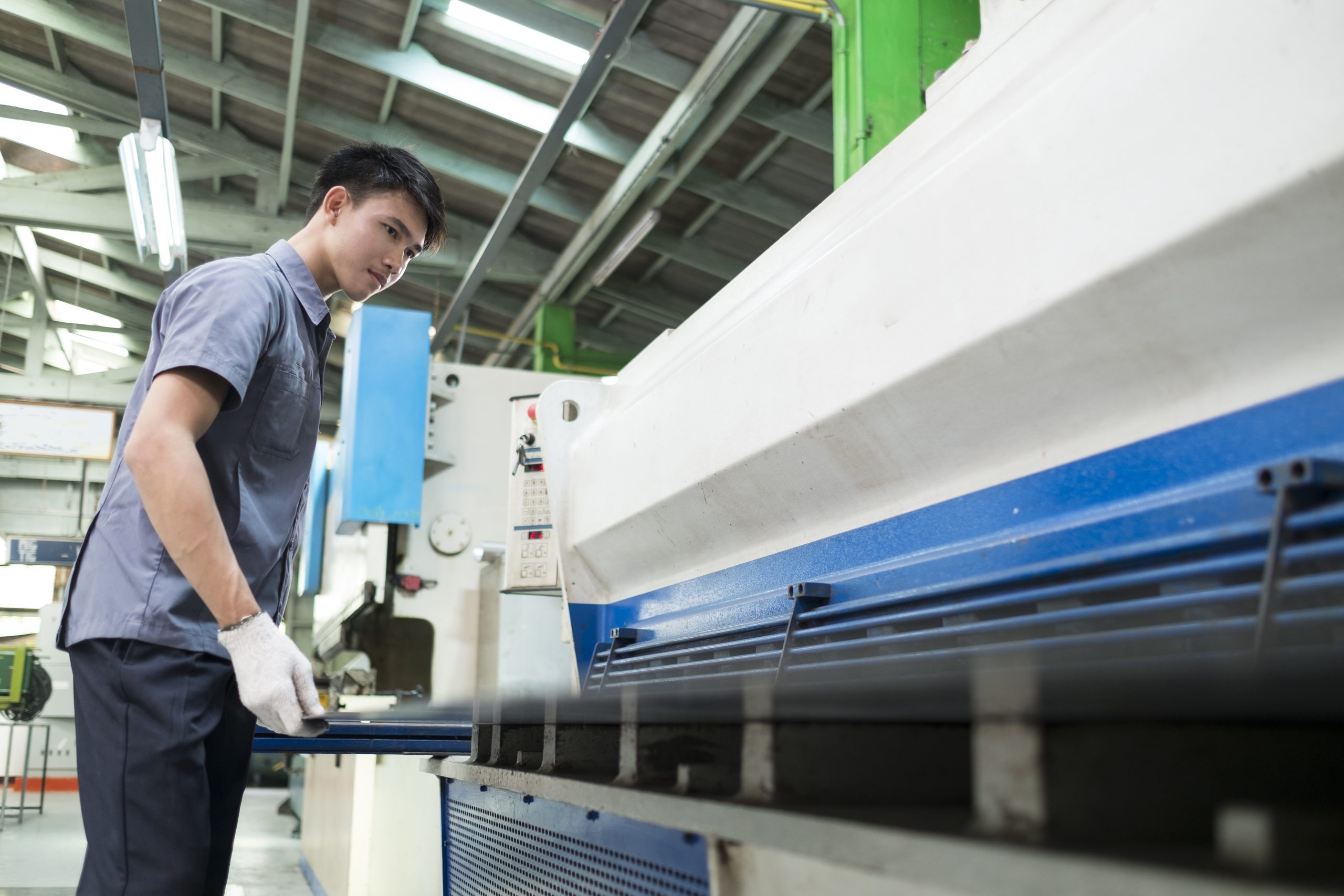
Metal stamping is a manufacturing process that uses dies and stamping presses to transform flat metal sheets into specific shapes or components. When precision is prioritized, the resulting components exhibit consistent quality, tight tolerances, and reliable performance. For American manufacturers, this level of accuracy is crucial for several reasons:
• Consistency in Production: Precision ensures that every part, regardless of batch size, matches the desired specifications. This uniformity is essential for products that require exact fits and seamless assembly.
• Reduced Waste: Accurate stamping minimizes errors, which translates to fewer rejected parts and less material waste—saving both money and resources.
• Improved Product Performance: When components are manufactured to precise standards, the end products function better and last longer, enhancing customer satisfaction and brand reputation.
Advantages for American Manufacturers
The benefits of precision in metal stamping extend far beyond the factory floor. American manufacturers gain several distinct advantages by prioritizing accuracy in this process:
Enhanced Efficiency and Productivity
Precision in metal stamping allows for high-speed, high-volume production without sacrificing quality. Automated presses and advanced tooling produce thousands of parts per hour, all with consistent dimensions. This efficiency enables manufacturers to meet tight deadlines and respond quickly to market demands.
Cost Savings Through Quality Control
Accurate stamping reduces the likelihood of defects and rework, which can be costly and time-consuming. With fewer errors, manufacturers can allocate resources more effectively, lowering the overall cost of production. Additionally, precise components often require less post-production finishing, further reducing expenses.
Flexibility in Design and Application
Modern metal stamping techniques support the creation of intricate shapes and complex geometries that might be impossible or cost-prohibitive with other manufacturing methods. This flexibility empowers manufacturers to innovate and develop customized solutions across various industries, from automotive to medical devices.
Compliance with Industry Standards
Many sectors, such as aerospace, automotive, and electronics, have strict regulatory requirements for safety and performance. Precision in metal stamping helps manufacturers consistently meet these standards, ensuring their products are safe, reliable, and market-ready.
Everyday Applications Across Industries
The impact of precision in metal stamping is evident in countless American-made products. Here are just a few examples of where this process plays a vital role:
• Automotive: Precision-stamped parts are used in engines, transmissions, and safety systems, contributing to vehicle reliability and passenger safety.
• Consumer Electronics: Connectors, brackets, and housings require exact dimensions to ensure proper function and sleek design.
• Appliances: Stamped metal components help create durable, energy-efficient home appliances.
• Aerospace: Lightweight, high-strength stamped parts are essential for aircraft performance and safety.
• Medical Devices: Precision is critical in producing safe, effective medical instruments and equipment.
Actionable Tips for Manufacturers
To fully capitalize on the benefits of precision in metal stamping, American manufacturers should consider the following best practices:
1. Collaborate With Experienced Partners: Work with suppliers who have a proven track record in precision metal stamping, and who use advanced equipment and quality control processes.
2. Invest in Quality Assurance: Implement rigorous inspection and testing procedures to catch issues early and maintain consistent quality.
3. Embrace Innovation: Stay updated on the latest advancements in materials, tooling, and automation to improve accuracy and efficiency.
4. Prioritize Training: Ensure that staff are well-trained in operating stamping machinery and maintaining equipment for optimal performance.
The Ongoing Value of Precision
Precision in metal stamping is not just a technical achievement; it’s a strategic advantage for American manufacturers. By focusing on accuracy at every stage of production, companies can deliver high-quality products, reduce costs, and maintain a competitive edge in a fast-paced market. The benefits extend from the shop floor to the end user, enhancing reliability, safety, and overall satisfaction. As industries continue to evolve, the demand for precise components will only grow, making this commitment to quality more important than ever.