Woodworking is a beloved craft and a thriving industry across the United States, but it comes with unique challenges—especially when it comes to maintaining a safe and healthy shop environment. As woodworkers cut, sand, and shape wood, fine particles and chips are released into the air. Over time, these airborne particles can accumulate, leading to both immediate and long-term health and safety risks. For those seeking a cleaner, safer workspace, searching for Dust Collection systems is a common first step toward improving shop conditions and ensuring compliance with workplace standards.
The Impact of Wood Dust on Air Quality
The production of wood dust is unavoidable in woodworking shops, whether in a small garage setup or a large-scale commercial facility. While the presence of dust may seem like a minor inconvenience, its impact on air quality is significant. Fine wood dust can remain suspended in the air for hours, making it easy to inhale. Over time, exposure to these particles can cause respiratory issues, allergic reactions, and even long-term health conditions such as asthma or chronic bronchitis. Some hardwoods contain naturally occurring chemicals that may further irritate the respiratory system or cause skin sensitization.
Beyond personal health, accumulated dust can settle on tools, machinery, and surfaces, creating an environment ripe for equipment malfunctions and increased maintenance. The importance of addressing wood dust isn’t just about comfort—it’s about safeguarding the well-being of everyone in the shop.
Enhancing Safety Through Effective Dust Control
Safety is paramount in any woodworking environment. Dust, especially when allowed to build up, poses several safety hazards:
• Fire and Explosion Risk: Wood dust is highly combustible. In poorly ventilated areas, even a small spark can ignite suspended dust, leading to fires or dangerous dust explosions. Proper dust collection systems reduce this risk by capturing dust at its source.
• Slip and Fall Hazards: Dust and debris on the floor can lead to slips, trips, and falls. Regular dust removal keeps pathways clear and reduces the risk of workplace accidents.
• Tool and Machine Functionality: Dust accumulation can interfere with the operation of power tools and machinery, leading to unexpected malfunctions, increased downtime, and potential injuries.
By investing in a robust dust control strategy, shop owners not only protect their equipment but also create a safer, more productive workspace.
How Dust Collection Systems Work
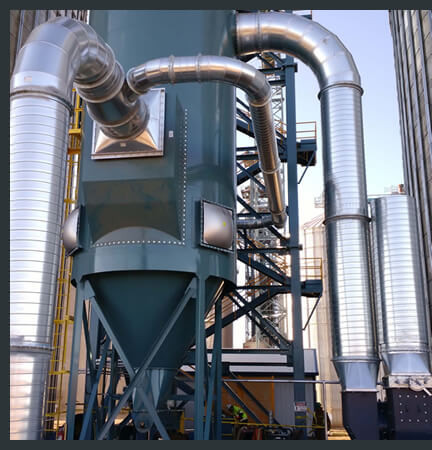
A well-designed dust collection system operates by capturing dust at the source—right where it’s generated. This typically involves:
1. Hoods and Ductwork: Dust-producing machines are fitted with hoods or ports that funnel debris into the system.
2. Airflow Generation: Powerful fans or blowers create suction, drawing dust and chips through ductwork and into a collection device.
3. Filtration: The collected air passes through filters that trap fine particles, preventing them from re-entering the workspace.
4. Storage: Dust and chips are deposited into bins or bags for safe disposal.
Modern systems are engineered to handle both large and small particles, ensuring comprehensive air purification. Some setups even include air quality monitors to alert users when filtration needs attention.
Benefits of Implementing Dust Collection in Woodworking Shops
The advantages of a dedicated dust collection system extend well beyond basic cleanliness:
• Healthier Work Environment: By removing airborne particles, workers breathe cleaner air, reducing the risk of respiratory ailments and allergic reactions.
• Regulatory Compliance: Occupational safety agencies set strict limits on permissible dust levels in workplaces. Effective dust collection helps shops meet these standards and avoid costly fines.
• Improved Productivity: Clean air and clutter-free workspaces boost morale, enhance concentration, and minimize downtime due to equipment failure or accident cleanup.
• Extended Equipment Lifespan: Dust can infiltrate moving parts, causing premature wear. Removing dust before it settles helps keep machines running smoothly and extends their usable life.
Tips for Optimizing Dust Collection
Maximizing the effectiveness of dust collection involves more than just installing equipment. Consider these best practices:
• Routine Maintenance: Regularly inspect and clean filters, ducts, and collection bins to maintain optimal airflow.
• Source Capture: Position hoods and ports as close to the dust source as possible to maximize capture efficiency.
• Supplemental Air Filtration: In addition to source capture, consider portable air cleaners for overall shop air quality.
• Personal Protective Equipment: Even with an efficient system, wearing masks or respirators adds an extra layer of protection during high-dust activities.
Creating a Safer, Cleaner Woodworking Environment
Investing in a quality dust collection system pays dividends in the form of cleaner air, safer working conditions, and longer-lasting equipment. By prioritizing dust control, American woodworking shops not only protect the health of their workers but also foster a culture of safety and professionalism. Whether you run a small home workshop or manage a bustling commercial facility, effective dust management is a cornerstone of successful, sustainable woodworking.