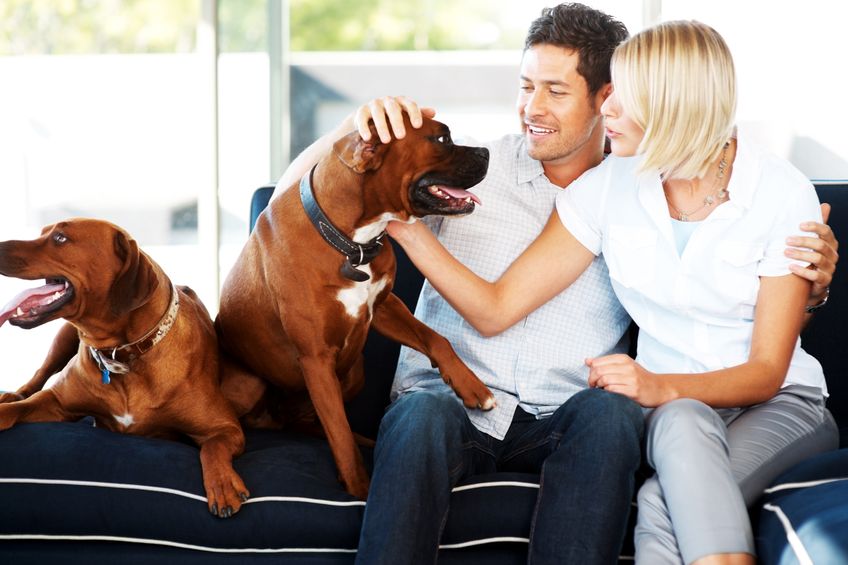
Pet odors can return beneath artificial turf when urine residue settles into infill, drainage layers, seams, or the base below the visible surface. Even when the grass looks clean, odor-causing material can remain underneath and become more noticeable as temperatures rise.
For dog owners in Queen Creek, this can be especially frustrating during warmer months. Artificial turf is designed to be durable and low-maintenance, but regular pet use introduces moisture and organic residue into a system made up of several layers. Understanding what happens below the surface can help explain why simple rinsing does not always solve persistent odor.
What Is Actually Under Artificial Turf?
Artificial turf is more than synthetic grass laid directly over soil. Most installations include several layers that work together to create a stable and drainable surface.
Depending on the installation, these layers may include a compacted base, drainage material, backing, infill, and the turf fibers themselves. Liquids are intended to move through the turf rather than stay on top.
That drainage is useful, but it does not guarantee that every trace of pet urine disappears completely. Small amounts of residue can remain within the turf system, especially in areas dogs use repeatedly.
Over time, those deposits may contribute to recurring odor.
Why Can Pet Urine Odor Return After the Turf Looks Clean?
Visible cleanliness does not always mean the underlying turf system is odor-free.
Dog urine can travel through the synthetic fibers and into the layers below. As it moves downward, residue may remain on the backing, within infill, or in sections of the base.
Once the visible surface dries, the yard may appear clean and smell acceptable for a while. However, heat, moisture, or repeated pet use can make those odors noticeable again.
This is one reason homeowners may feel as though the same smell keeps returning despite routine rinsing.
Using an appropriate artificial grass deodorizer can help address odor in pet-used turf more directly than relying on surface appearance alone.
How Does Infill Contribute to Lingering Odor?
Infill sits between artificial grass blades and helps support the turf, keep fibers upright, and improve stability.
Because infill is distributed throughout the turf surface, it can also come into contact with pet urine. If dogs frequently use the same section of artificial grass, repeated exposure can lead to a buildup of residue in that area.
The type, age, and condition of the infill may influence how easily odors become established.
A synthetic grass deodorizer may be used as part of turf maintenance when routine rinsing no longer seems sufficient. The goal is not simply to add fragrance, but to reduce the source of the odor within the affected turf.
Can Drainage Problems Make Pet Odor Worse?
Yes. Artificial turf depends on effective drainage to move liquid away from the surface.
If drainage is slow or uneven, urine may remain in contact with turf materials longer than intended. Low spots, compacted base material, blocked drainage pathways, or installation issues can all affect how moisture moves through the system.
Even without a major drainage problem, heavily used dog areas may receive more urine than other sections of the yard.
That is why one area may develop recurring odor even when the rest of the turf smells relatively normal.
A turf deodorizer for dogs can help manage odor, but persistent drainage issues may require separate evaluation.
Why Does Heat Make Odor Beneath Turf More Noticeable?
Warm temperatures can make odor-producing compounds more volatile, which means they can move into the air more easily.
This matters in Queen Creek because artificial turf can become extremely warm under direct sunlight. As the turf and underlying materials heat up, odors that were mild earlier in the day may become much stronger.
Homeowners may notice that their yard smells acceptable in the morning but develops a stronger pet odor in the afternoon.
The heat is not necessarily creating the odor. Instead, it may be making existing residue easier to detect.
This is one reason artificial turf pet deodorizer treatments can become especially relevant during Arizona’s warmer months.
Does Rinsing Remove Everything Beneath Artificial Grass?
Rinsing can help move fresh urine through artificial turf, but it may not remove every trace of residue.
Water can dilute contaminants and carry some material downward, yet repeated use can still leave deposits behind. In some situations, moisture may even reactivate odors that were less noticeable when the turf was dry.
Homeowners should also avoid assuming that more water automatically produces a better result.
The effectiveness of rinsing depends on drainage, turf condition, infill, pet activity, and how long odor has been present.
When odor repeatedly returns after rinsing, a more targeted artificial turf deodorizer approach may be appropriate.
Can Multiple Dogs Increase Odor Beneath Synthetic Turf?
Yes. More dogs generally mean more frequent urine exposure.
In multi-dog households, artificial grass may receive repeated use throughout the day, often in the same preferred spots. This can create a higher concentration of residue in smaller areas.
Dog runs, side yards, turf strips near patios, and other compact spaces can be especially prone to this pattern.
Regular maintenance becomes more important when several dogs share the same turf because the system has less time between uses to dry and flush naturally.
How Can Homeowners Tell Whether the Odor Is Below the Surface?
Recurring odor is often the clearest sign.
If visible waste has been removed, the turf has been rinsed, and the smell still returns during hot weather or after moisture, the problem may extend beyond the synthetic blades.
Other clues include stronger odor in specific pet-use zones or smells that return shortly after the turf dries.
These patterns suggest that residue may be present within the infill or underlying layers rather than only on the surface.
What Is the Best Approach to Persistent Artificial Turf Odor?
The most effective approach starts with regular waste removal, appropriate rinsing, and attention to high-use pet areas.
When odor continues despite routine care, deodorizing may help address residue within the turf system. Homeowners should also consider whether drainage, turf age, or repeated pet use is contributing to the problem.
Persistent odor does not always mean the turf needs to be replaced. In many cases, understanding where odor develops can make maintenance more effective.
For Queen Creek dog owners, treating artificial turf as a layered system rather than just a visible lawn can make it easier to manage recurring pet smells and keep outdoor spaces more comfortable.